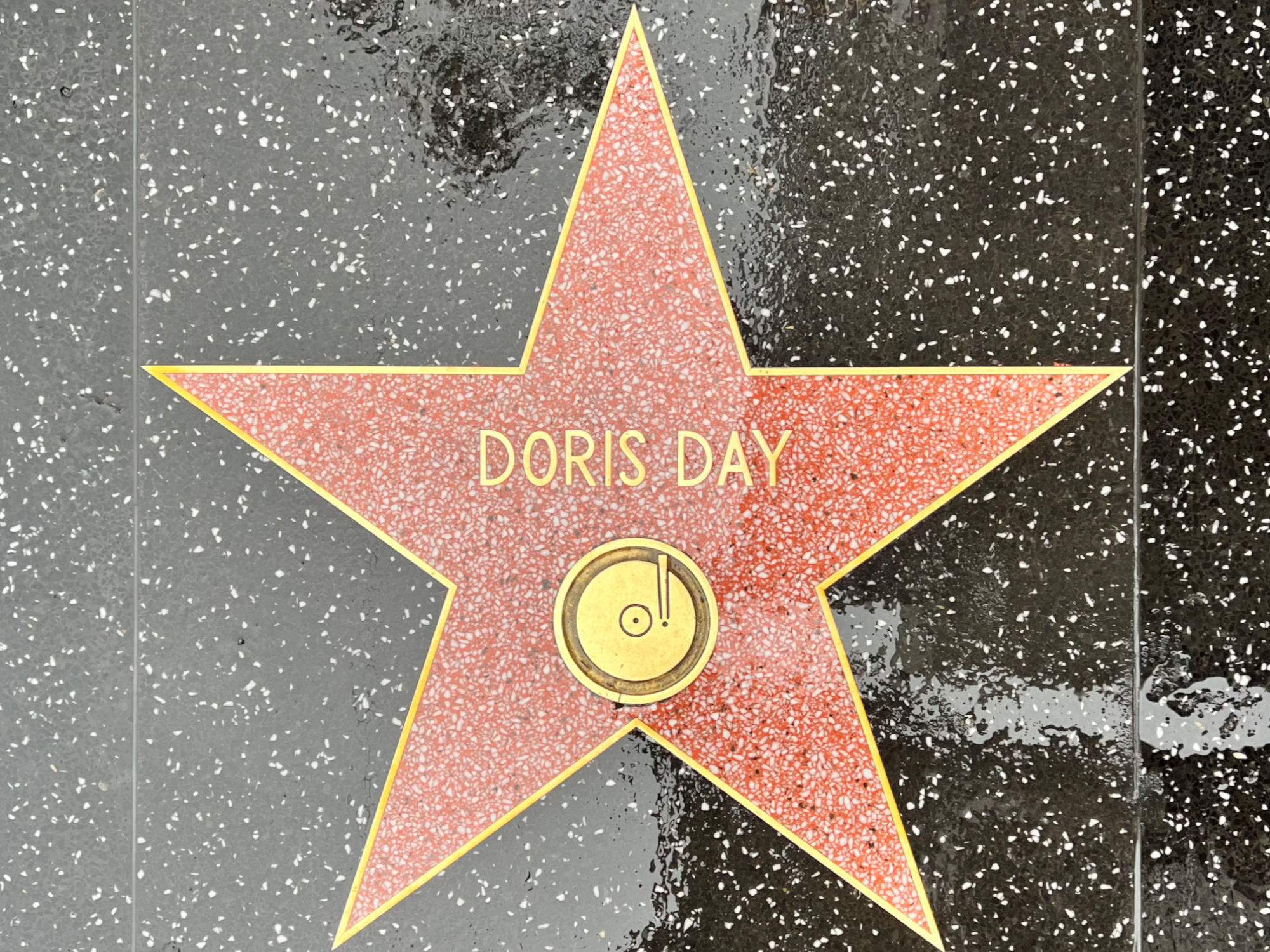


Actress / Singer
1950s and 1960s
- She was in about 40 Movies and TV Shows and did about 30 Record Albums
- !She was Jan Morrow in Pillow Talk!
- She was Babe Williams in the Pajama Game!
- She sang that song Whatever Will Be, Will Be (Que Sera, Sera)!
AKA
- Doris Mary Anne Kappelhoff
Doris Day
Motion Pictures Category Star
- Ceremony was on February 8, 1960

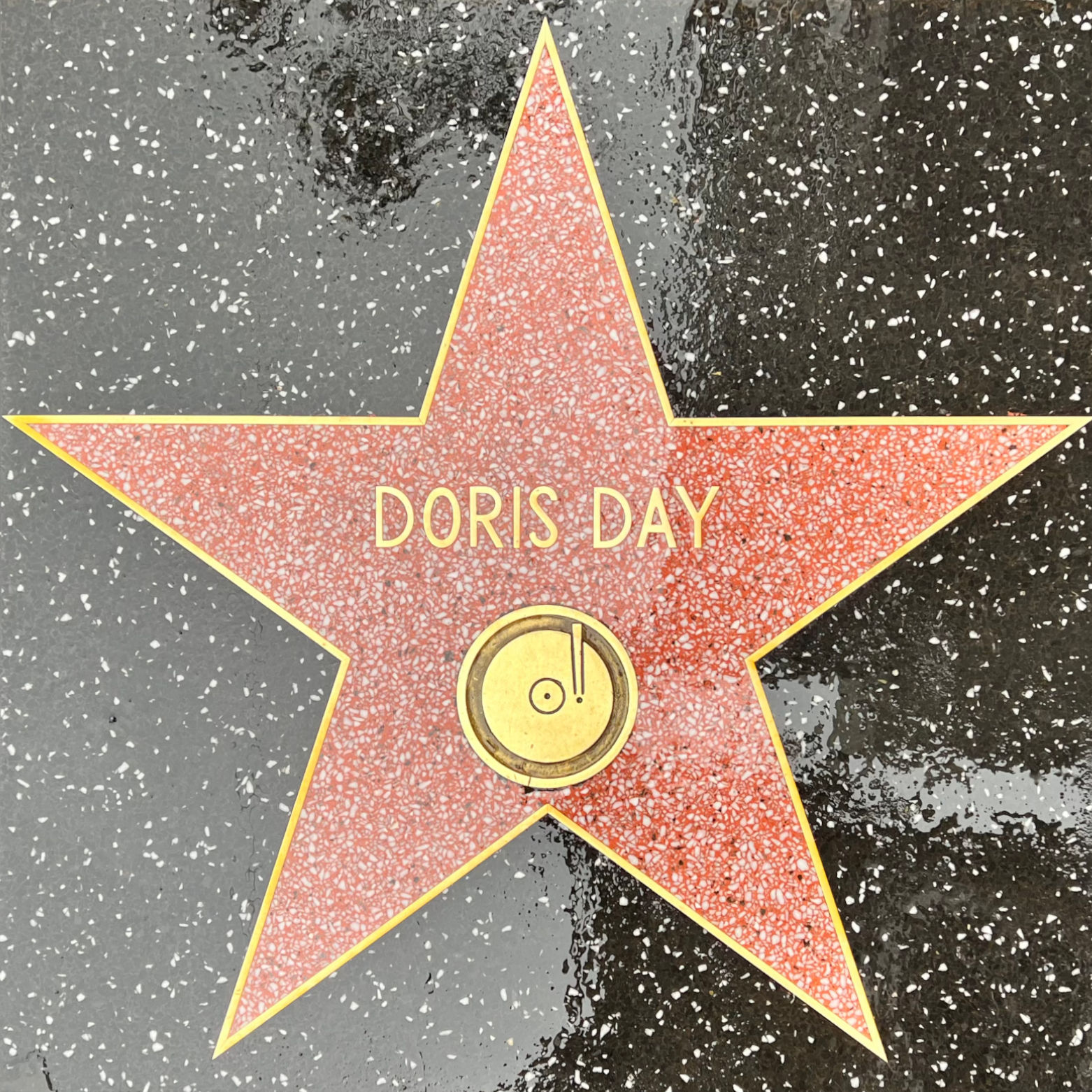
Doris Day
Recording Category Star
- Ceremony was on February 8, 1960
The Doris Day Show
Christmas Memories
⭐ Doris Day is the only Hollywood Walk of Famer
- EAT LIFE:
[https://www.eatlife.net/movies/doris-day-show-christmas-memories.php] - AMAZON PRIME VIDEO:
[https://www.amazon.com/dp/B00V5G4O64] - DVD AT AMAZON:
[https://www.amazon.com/dp/B001CDLATO]
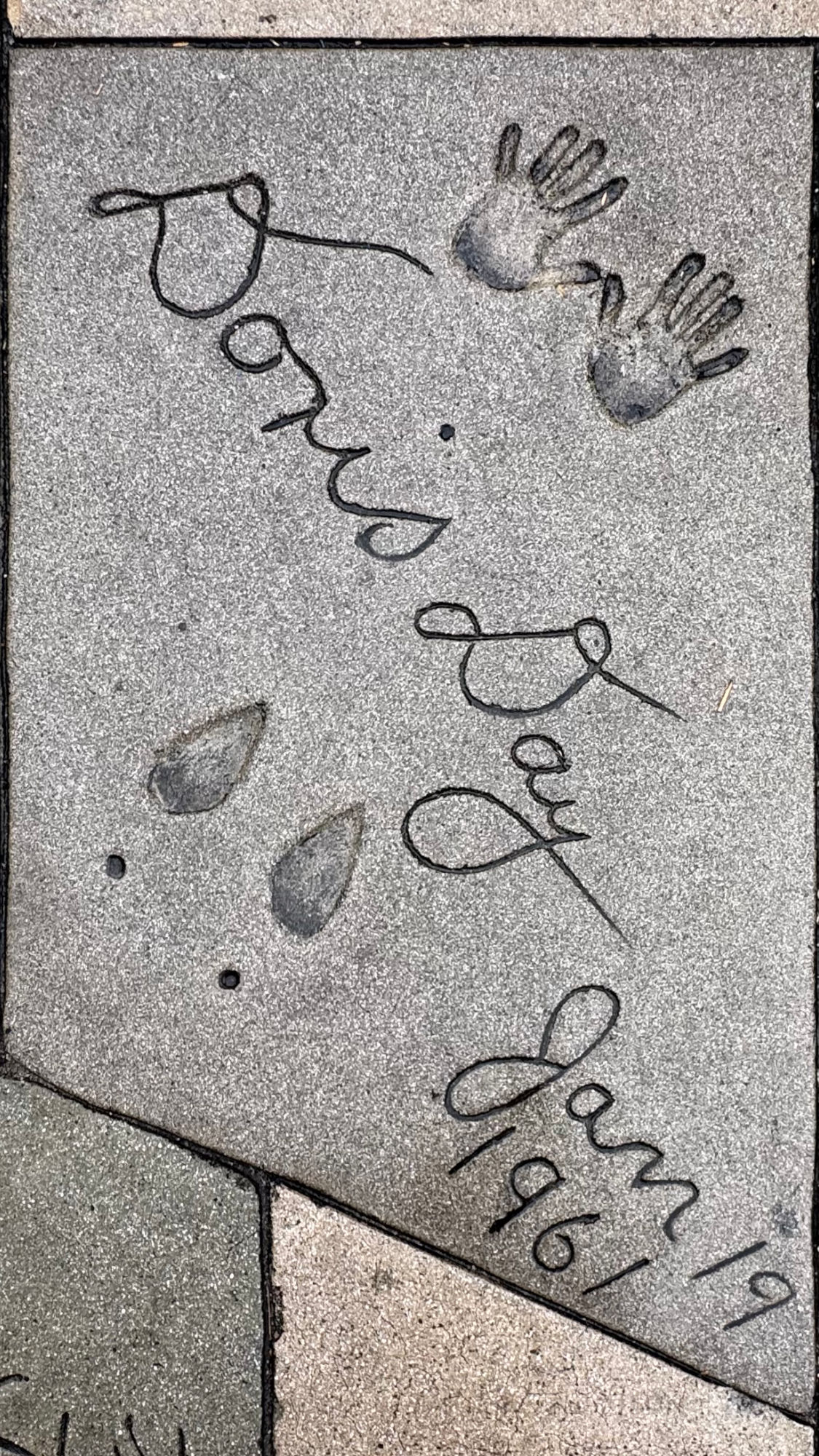
Grauman's Chinese Theatre
- *Handprints*
- Doris Day
- *Footprints*
- Jan 19 1961

Doris Day's Footprints
Left Side Lower Middle


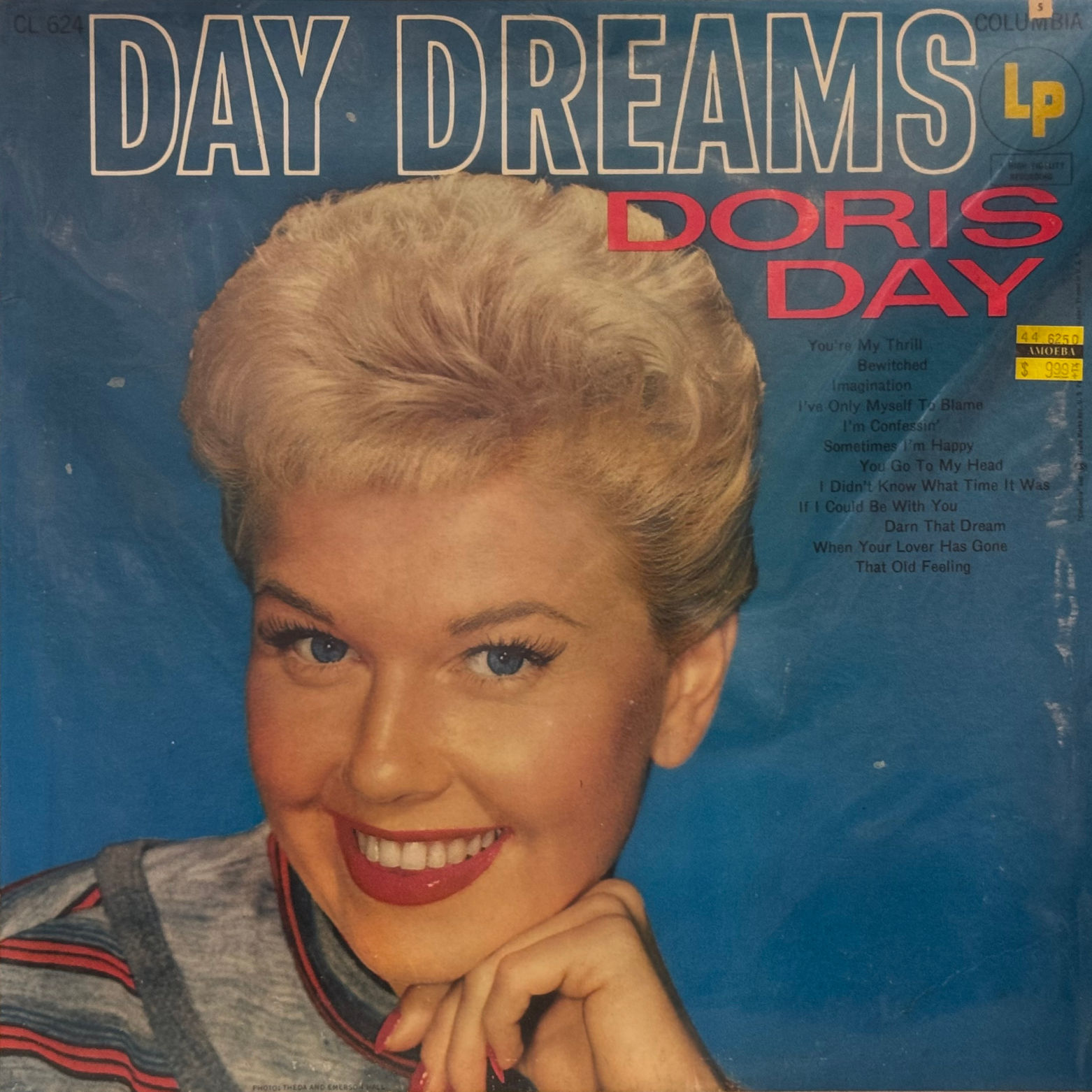
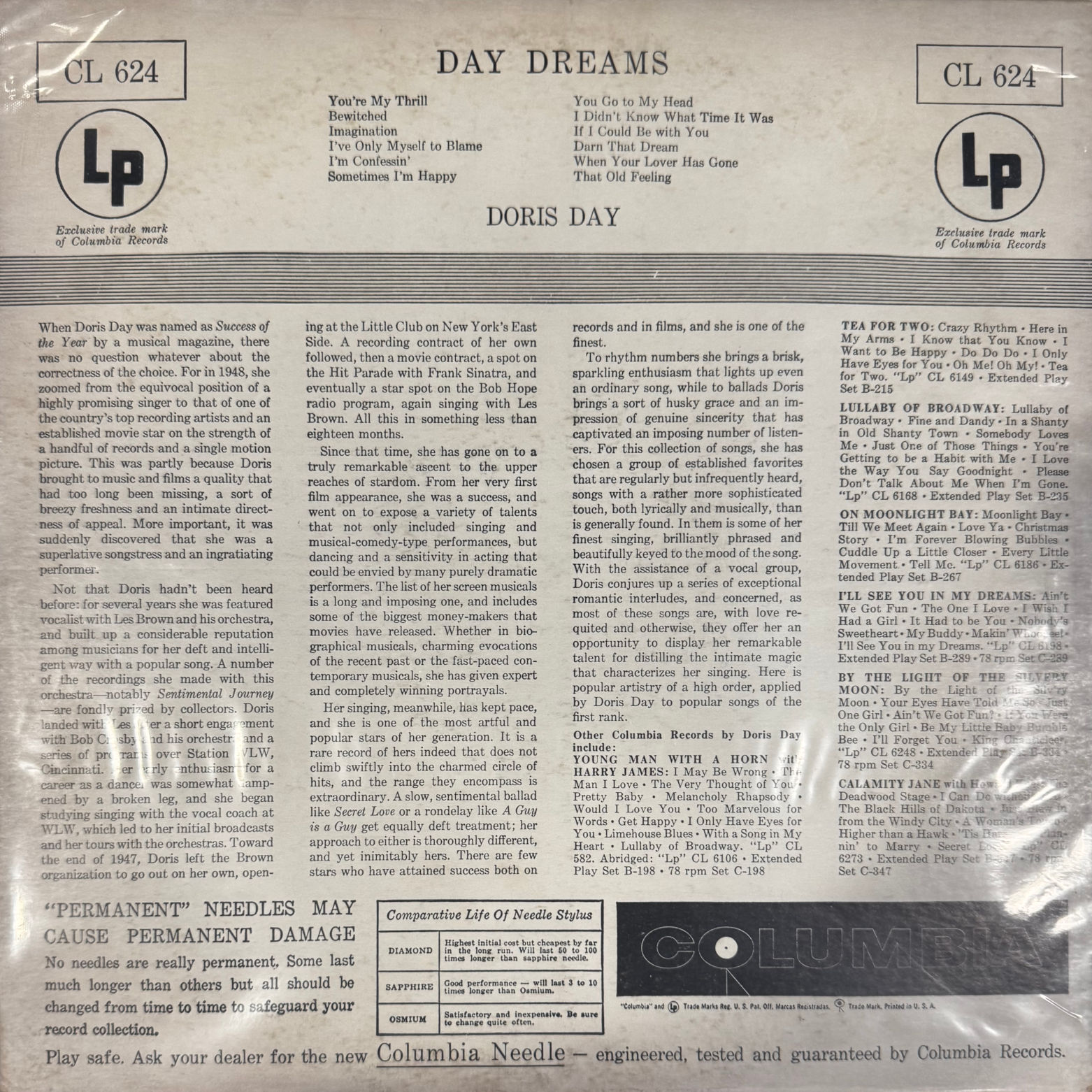
Day Dreams
When Doris Day was named as Success of the Year by a musical magazine, there was no question whatever about the correctness of the choice. For in 1948, she zoomed from the equivocal position of a highly promising singer to that of one of the country's top recording artists and an established movie star on the strength of a handful of records and a single motion picture. This was partly because Doris brought to music and films a quality that had too long been missing, a sort of breezy freshness and an intimate directness of appeal. More important, it was suddenly discovered that she was a superlative songstress and an ingratiating performer.
Not that Doris hadn't been heard before: for several years she was featured vocalist with Les Brown and his orchestra, and built up a considerable reputation among musicians for her deft and intelligent way with a popular song. A number of the recordings she made with this orchestra - notably Sentimental Journey - are fondly prized by collectors. Doris landed with Les after a short engagement with Bob Crosby and his orchestra and a series of programs over Station WLV, Cincinnati. Her early enthusiasm for a career as a dancer was somewhat dampened by a broken leg, and she began studying singing with the vocal coach at WLW, which led to her initial broadcasts and her tours with the orchestras. Toward the end of 1947, Doris left the Brown organization to go out on her own, opening at the Little Club on New York's East Side. A recording contract of her own followed, then a movie contract, a spot on the Hit Parade with Frank Sinatra, and eventually a star spot on the Bob Hope radio program, again singing with Les Brown. All this in something less than eighteen months.
Since that time, she has gone on to a truly remarkable ascent to the upper reaches of stardom. From her very first film appearance, she was a success, and went on to expose a variety of talents that not only included singing and musical-comedy-type performances, but dancing and a sensitivity in acting that could be envied by many purely dramatic performers. The list of her screen musicals is a long and imposing one, and includes some of the biggest money-makers that movies have released. Whether in biographical musicals, charming evocations of the recent past or the fast-paced contemporary musicals, she has given expert and completely winning portrayals.
Her singing, meanwhile, has kept pace, and she is one of the most artful and popular stars of her generation. It is a rare record of hers indeed that does not climb swiftly into the charmed circle of hits, and the range they encompass is extraordinary. A slow, sentimental ballad like Secret Love or a rondelay like A Guy is a Guy get equally deft treatment; her approach to either is thoroughly different, and yet inimitably hers. There are few stars who have attained success both on records and in films, and she is one of the finest.
To rhythm numbers she brings a brisk, sparkling enthusiasm that lights up even an ordinary song, while to ballads Doris brings a sort of husky grace and an impression of genuine sincerity that has captivated an imposing number of listeners. For this collection of songs, she has chosen a group of established favorites that are regularly but infrequently heard, songs with a rather more sophisticated touch, both lyrically and musically, than is generally found. In them is some of her finest singing, brilliantly phrased and beautifully keyed to the mood of the song. With the assistance of a vocal group, Doris conjures up a series of exceptional romantic interludes, and concerned, as most of these songs are, with love requited and otherwise, they offer her an opportunity to display her remarkable talent for distilling the intimate magic that characterizes her singing. Here is popular artistry of a high order, applied by Doris Day to popular songs of the first rank.
- You're My Thrill
- Bewitched
- Imagination
- I've Only Myself to Blame
- I'm Confessin'
- Sometimes I'm Happy
- You Go to My Head
- I Didn't Know What Time It Was
- If I Could Be with You
- Darn That Dream
- When Your Lover Has Gone
- That Old Feeling
As an Amazon Associate we earn from qualifying purchases
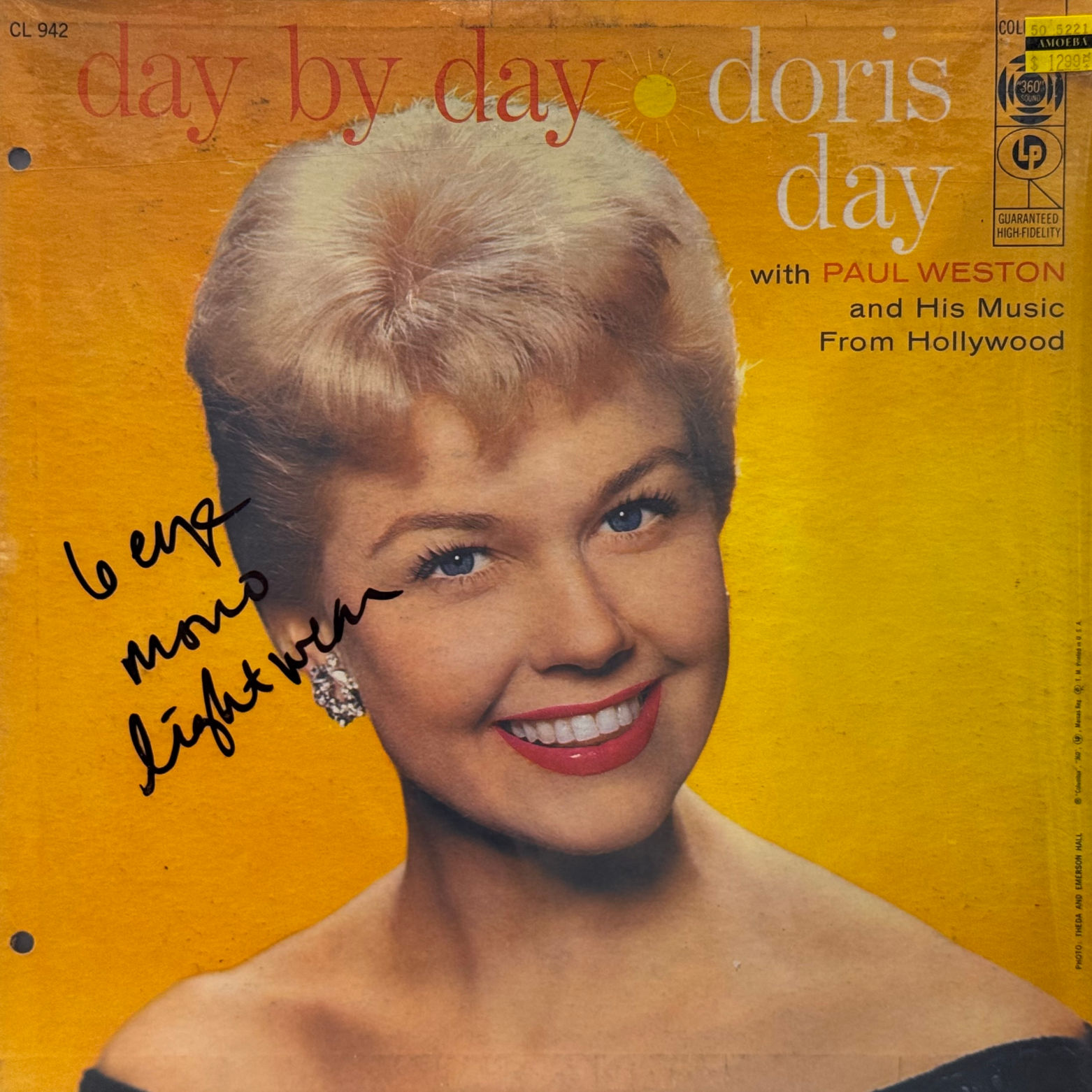
Day By Day
With Paul Weston and His Music From Hollywood
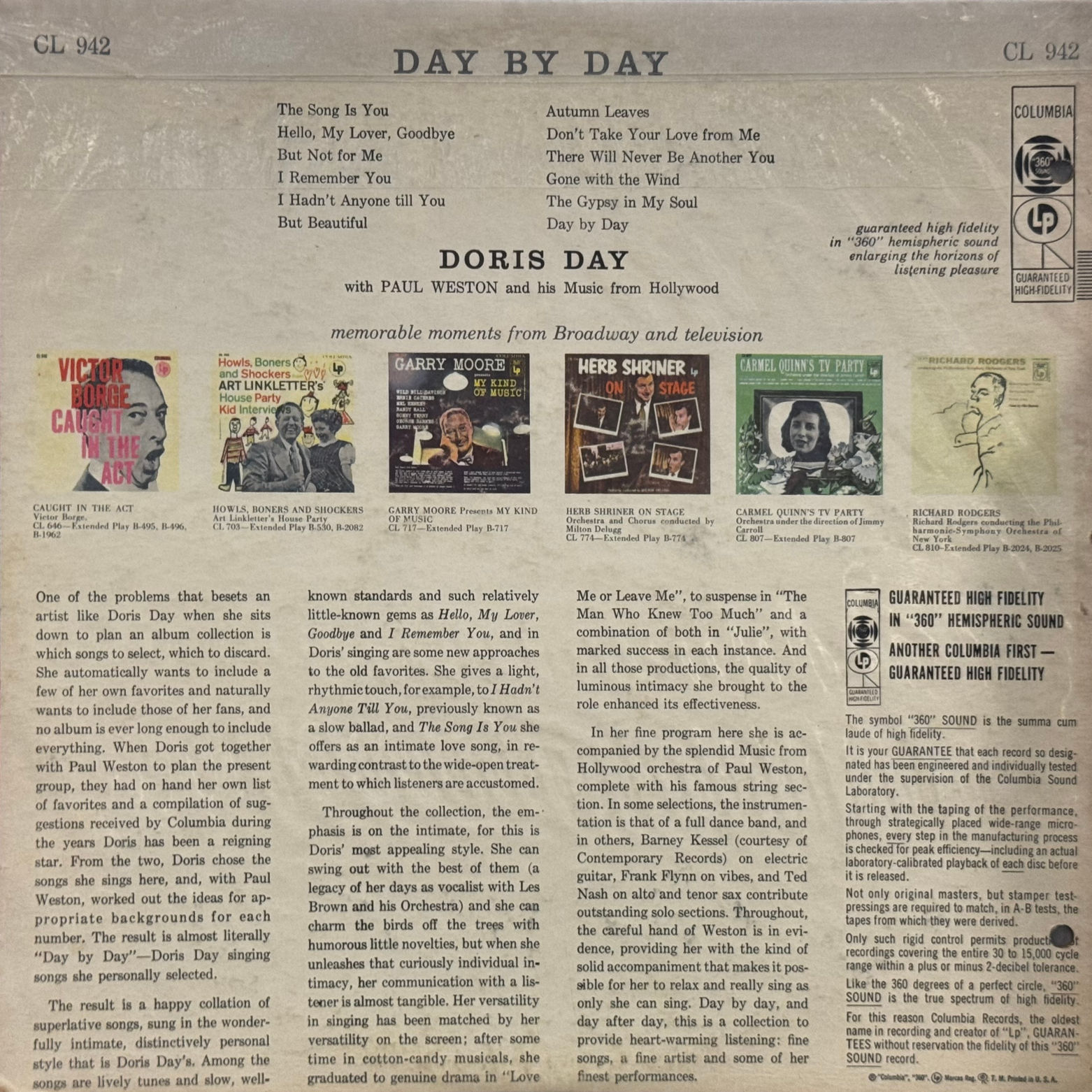
One of the problems that besets an artist like Doris Day when she sits down to plan an album collection is which songs to select, which to discard. She automatically wants to include a few of her own favorites and naturally wants to include those of her fans, and no album is ever long enough to include everything. When Doris got together with Paul Weston to plan the present group, they had on hand her own list of favorites and a compilation of suggestions received by Columbia during the years Doris has been a reigning star. From the two, Doris chose the songs she sings here, and, with Paul Weston, worked out the ideas for appropriate backgrounds for each number. The result is almost literally "Day by Day"-Doris Day singing songs she personally selected.
The result is a happy collation of superlative songs, sung in the wonderfully intimate, distinctively personal style that is Doris Day's. Among the songs are lively tunes and slow, well known standards and such relatively little-known gems as Hello, My Lover, Goodbye and I Remember You, and in Doris' singing are some new approaches to the old favorites. She gives a light, rhythmic touch, for example, to I Hadn't Anyone Till You, previously known as a slow ballad, and The Song Is You she offers as an intimate love song, in rewarding contrast to the wide-open treatment to which listeners are accustomed.
Throughout the collection, the emphasis is on the intimate, for this is Doris' most appealing style. She can swing out with the best of them (a legacy of her days as vocalist with Les Brown and his Orchestra) and she can charm the birds off the trees with humorous little novelties, but when she unleashes that curiously individual intimacy, her communication with a listener is almost tangible. Her versatility in singing has been matched by her versatility on the screen; after some time in cotton-candy musicals, she graduated to genuine drama in "Love Me or Leave Me", to suspense in "The Man Who Knew Too Much" and a combination of both in "Julie", with marked success in each instance. And in all those productions, the quality of luminous intimacy she brought to the role enhanced its effectiveness.
In her fine program here she is accompanied by the splendid Music from Hollywood orchestra of Paul Weston, complete with his famous string section. In some selections, the instrumentation is that of a full dance band, and in others, Barney Kessel (courtesy of Contemporary Records) on electric guitar, Frank Flynn on vibes, and Ted Nash on alto and tenor sax contribute outstanding solo sections. Throughout, the careful hand of Weston is in evidence, providing her with the kind of solid accompaniment that makes it possible for her to relax and really sing as only she can sing. Day by day, and day after day, this is a collection to provide heart-warming listening: fine songs, a fine artist and some of her finest performances.
- The Song Is You
- Hello, My Lover, Goodbye
- But Not For Me
- I Remember You
- I Hadn't Anyone Till You
- But Beautiful
- Autumn Leaves
- Don't Take Your Love from Me
- There Will Never Be Another You
- Gone with The Wind
- The Gypsy in My Soul
- Day By Day
- YOUTUBE:
[https://www.youtube.com/watch?v=AoPjJfuSIgM&list=OLAK5uy] - SPOTIFY:
[https://open.spotify.com/album/24BolRWKmaJV85C5tMkmbO] - APPLE MUSIC:
[https://music.apple.com/us/album/1133367394] - AMAZON:
[https://www.amazon.com/dp/B00J1LIDKI]
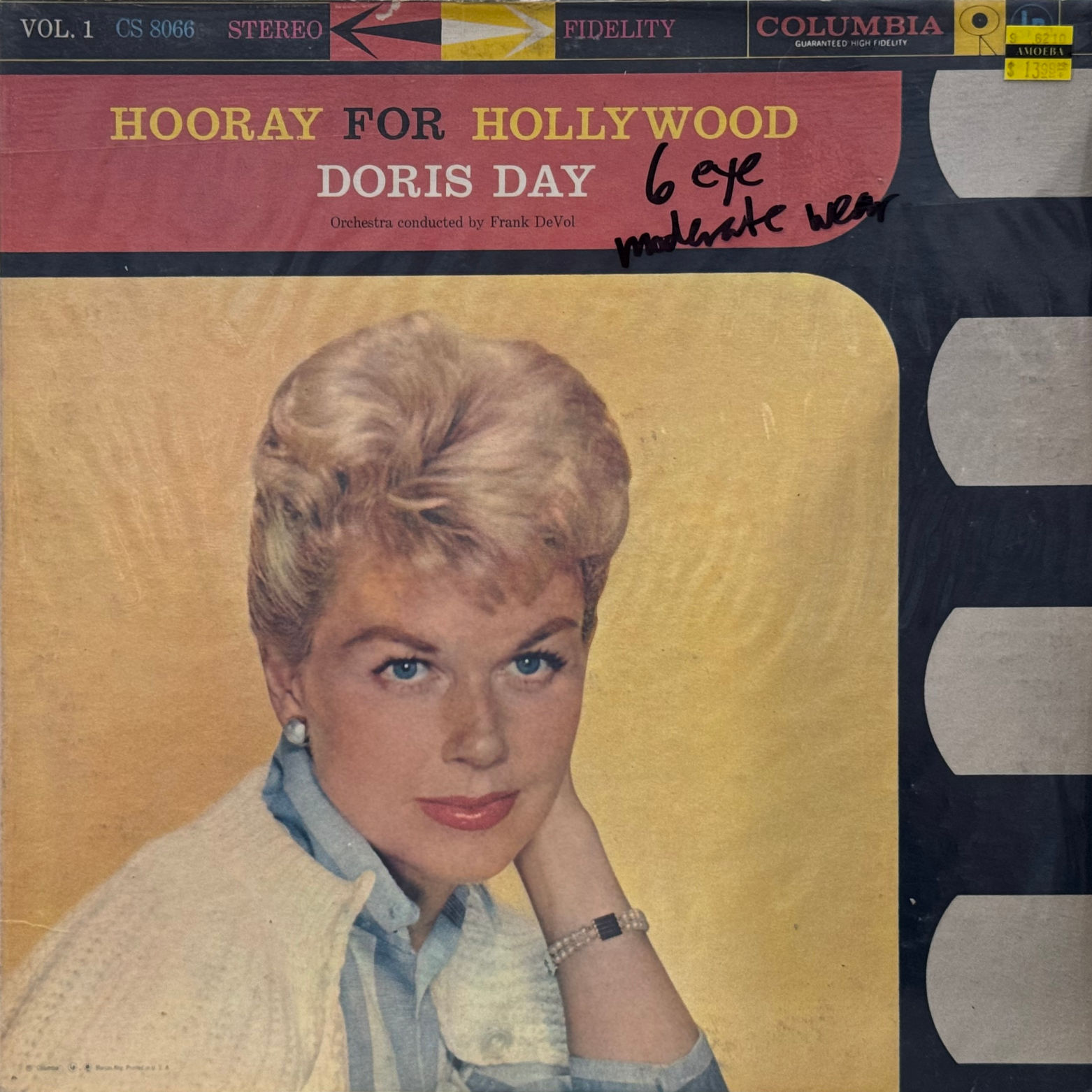
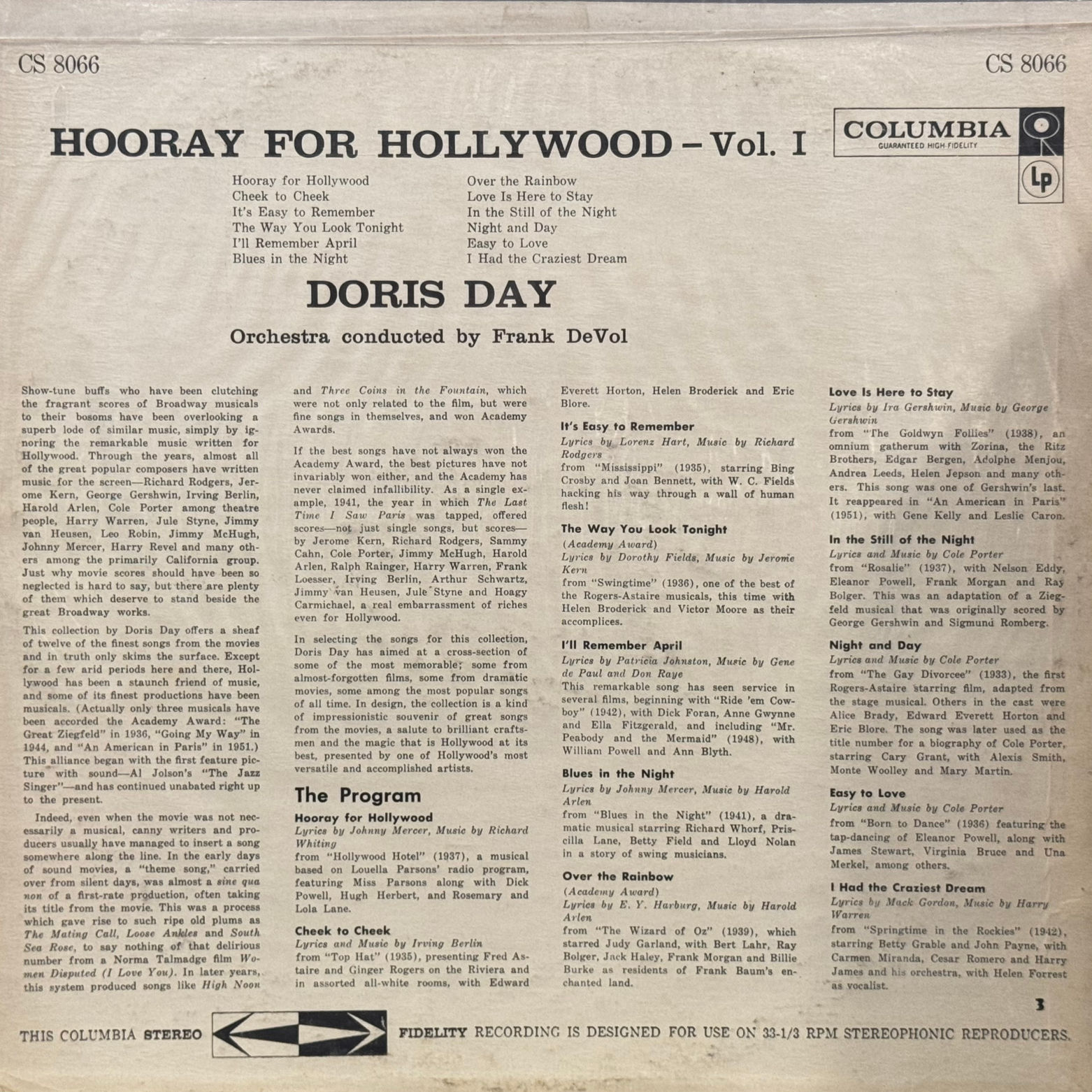
Hooray For Hollywood
Orchestra conducted by Frank DeVol
Show-tune buffs who have been clutching the fragrant scores of Broadway musicals to their bosoms have been overlooking a superb lode of similar music, simply by ignoring the remarkable music written for Hollywood. Through the years, almost all of the great popular composers have written music for the screen - Richard Rodgers, Jerome Kern, George Gershwin, Irving Berlin, Harold Arlen, Cole Porter among theatre people, Harry Warren, Jule Styne, Jimmy van Heusen, Leo Robin, Jimmy McHugh, Johnny Mercer, Harry Revel and many others among the primarily California group. Just why movie scores should have been so neglected is hard to say, but there are plenty of them which deserve to stand beside the great Broadway works.
This collection by Doris Day offers a sheaf of twelve of the finest songs from the movies and in truth only skims the surface. Except for a few arid periods here and there, Hollywood has been a staunch friend of music, and some of its finest productions have been musicals. (Actually only three musicals have been accorded the Academy Award: "The Great Ziegfeld" in 1936, "Going My Way" in 1944, and "An American in Paris" in 1951.) This alliance began with the first feature picture with sound-Al Jolson's "The Jazz Singer" - and has continued unabated right up to the present.
Indeed, even when the movie was not necessarily a musical, canny writers and producers usually have managed to insert a song somewhere along the line. In the early days of sound movies, a "theme song," carried over from silent days, was almost a sine qua non of a first-rate production, often taking its title from the movie. This was a process which gave rise to such ripe old plums as The Mating Call, Loose Ankles and South Sea Rose, to say nothing of that delirious number from a Norma Talmadge film Women Disputed (I Love You). In later years, this system produced songs like High Noon and Three Coins in the Fountain, which were not only related to the film, but were fine songs in themselves, and won Academy Awards.
If the best songs have not always won the Academy Award, the best pictures have not invariably won either, and the Academy has never claimed infallibility. As a single example, 1941, the year in which The Last Time I Saw Paris was tapped, offered scores - not just single songs, but scores - by Jerome Kern, Richard Rodgers, Sammy Cahn, Cole Porter, Jimmy McHugh, Harold Arlen, Ralph Rainger, Harry Warren, Frank Loesser, Irving Berlin, Arthur Schwartz, Jimmy van Heusen, Jule Styne and Hoagy Carmichael, a real embarrassment of riches even for Hollywood.
In selecting the songs for this collection, Doris Day has aimed at a cross-section of some of the most memorable; some from almost-forgotten films, some from dramatic movies, some among the most popular songs of all time. In design, the collection is a kind of impressionistic souvenir of great songs from the movies, a salute to brilliant craftsmen and the magic that is Hollywood at its best, presented by one of Hollywood's most versatile and accomplished artists.
- Hooray For Hollywood
- Cheek to Cheek
- It's Easy to Remember
- The Way You Look Tonight
- I'll Remember April
- Blues in The Night
- Over The Rainbow
- Love Is Here to Stay
- in The Still of The Night
- Night and Day
- Easy to Love
- I Had The Craziest Dream
As an Amazon Associate we earn from qualifying purchases