An American Christmas
25 Decades


USA
1770 to 1779
Every story has a beginning, ours starts with the 1770s.
This decade, marked by America's transition from colony to country, was a time of tremendous national struggle.
- Setting the scene for the Revolutionary War are copper lanterns and a tea box, signifying Paul Revere's midnight ride and the Boston Tea Party.
- Further accentuating the heightened patriotic fervor of the era, red, white, and blue bunting shrouds our replica of the Declaration of Independence.
- Portraying the war's intensity and ultimate American triumph are
- Muskets
- Fife and Drummers
- A reprint of General Washington Leading the Americans at the Battle of Princeton.
Posted: December 2025

1770 to 1779
American Christmas Tree

Muskets
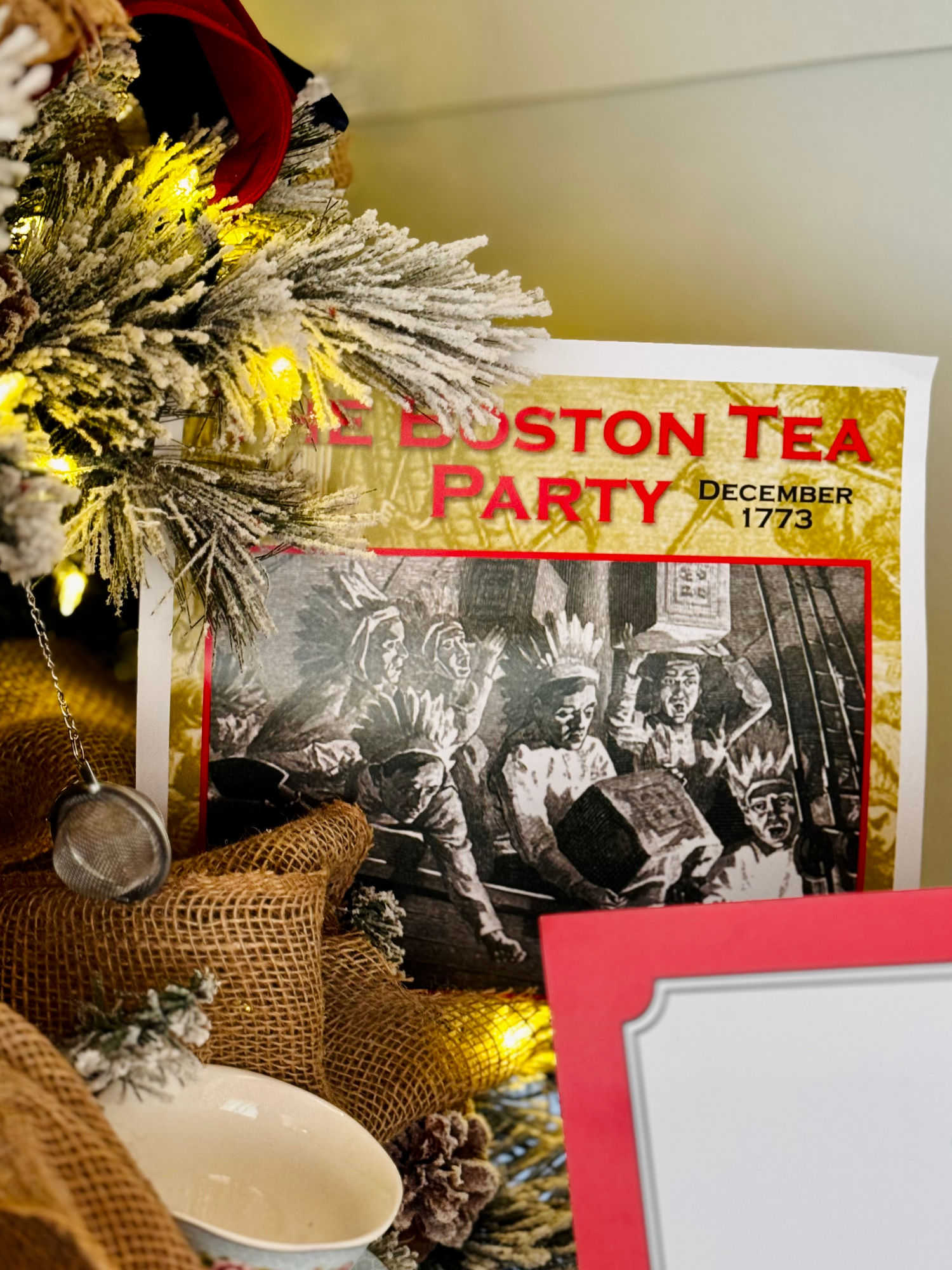
Tea Act of 1773
May 10, 1773
Americans were upset because Great Britain would tax the American colonies even though the Colonies had no representation in English Parliament. So the Colonies boycotted English tea for years and smuggle tea in from the Netherlands. Then the Parliament of Great Britain passed the Tea Act of 1773 which allowed the East India Company to sell Chinese tea in the colonies without paying any any customs or duties whatsoever to England. This tax break allowed East India to undercut colonial merchants with cheap tea. Essentially giving them a monopoly on the tea trade
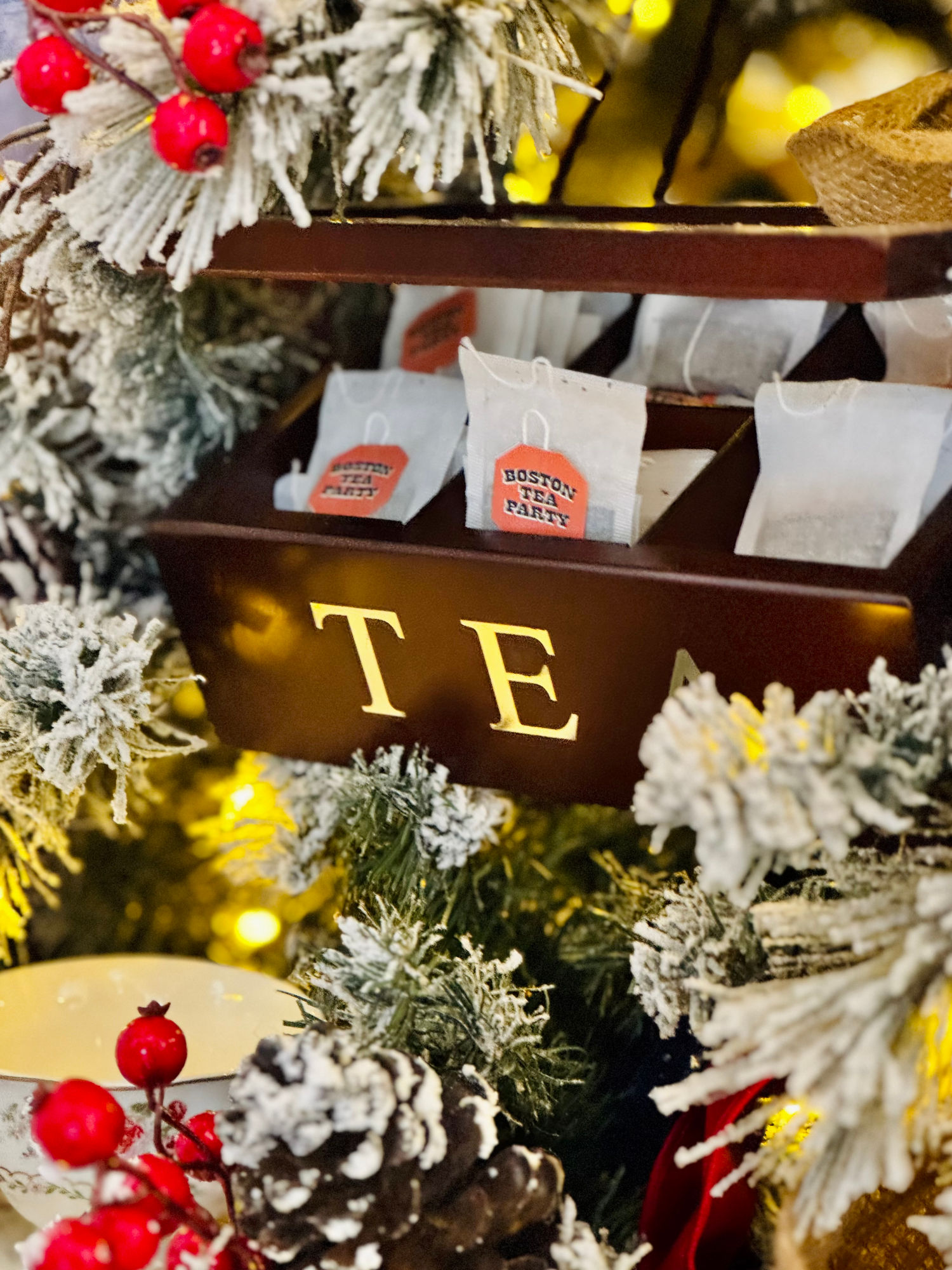
Boston Tea Party
December 16, 1773
The Dartmouth trading whip was docked in Boston Harbor. It had a major shipment of East India Company tea on Board. Disguised as Native Americans, on the night of December 16 members of Sons of Liberty boarded and threw 342 chests of the tea into Boston Harbor.

Philadelphia Tea Party
December 25, 1773
The British government considered the Boston Tea Party an act of treason. Nine days later there was a Philadelphia Tea Party. This time the Patriots forced the tea trading ship Polly to return to England without unloading.

The Edenton Tea Party
October 25, 1774
51 women from Edenton, North Carolina signed a statement to boycott British goods because of the British Tea Act of 1773. This was the first protest ever organized by women in the Colonies. They resolved to not drink any more tea, nor wear any more British cloth. The Edenton Resolves was published not only in the Virginia Gazette but in the London newspapers.
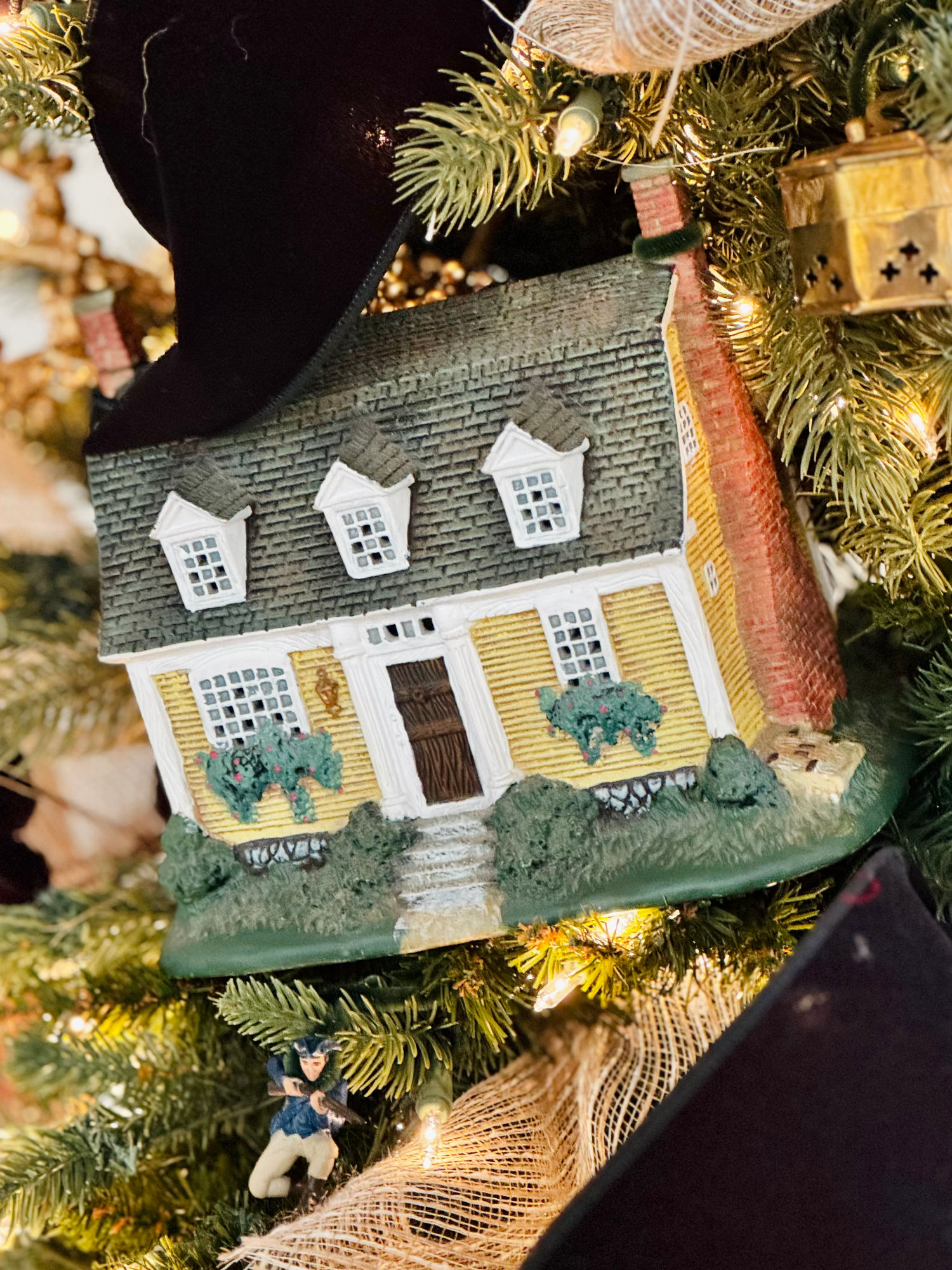
Dutch Colonial Style
Until around 1775
Framed Houses
In general before 1776 they built houses that were one and a half stories high. This is a Gambrel Roofed house.

Gunsmiths Forging Muskets
Before the Revolutionary War
For the minutemen.

Paul Revere Lantern
April 18, 1775
One if by land, two if by sea
If one lantern was displayed in the the steeple if Boston's Old North Church, that meant that British troops were coming by land (Boston Neck). Two Lanterns meant they were coming by sea (across the Charles River). Two were displayed so Revere crossed the river by boat and rode to Lexington and Concord to alert the Colonial militias (Patriots like John Hancock and Samuel Adams). The first battles of the American Revolutionary War were the following day, April 19, 1775.

Revolutionary War Drummer
April 19, 1775 to September 3, 1783
Crucial for communicating commands

Revolutionary War Fifer
April 19, 1775 to September 3, 1783
Signals to change formation. The fife has a high pitched sound which can be heard over the sounds of battle.

The Declaration of Independence
July 4, 1776
The Unanimous Declaration of the Thirteen The Fourth of July is when the final text was adopted, unanimously ratified, by the Second Continental Congress (Founding Fathers) at Independence Hall. By signing it, each delegates committed an act of high treason against The Crown, which was punishable by torture and death.
The Thirteen Colonies and Kingdom of Great Britain had been at war for over a year. The Declaration explains why the Thirteen Colonies regarded themselves as independent sovereign states no longer subject to the Kingdom of Great Britain's colonial rule.
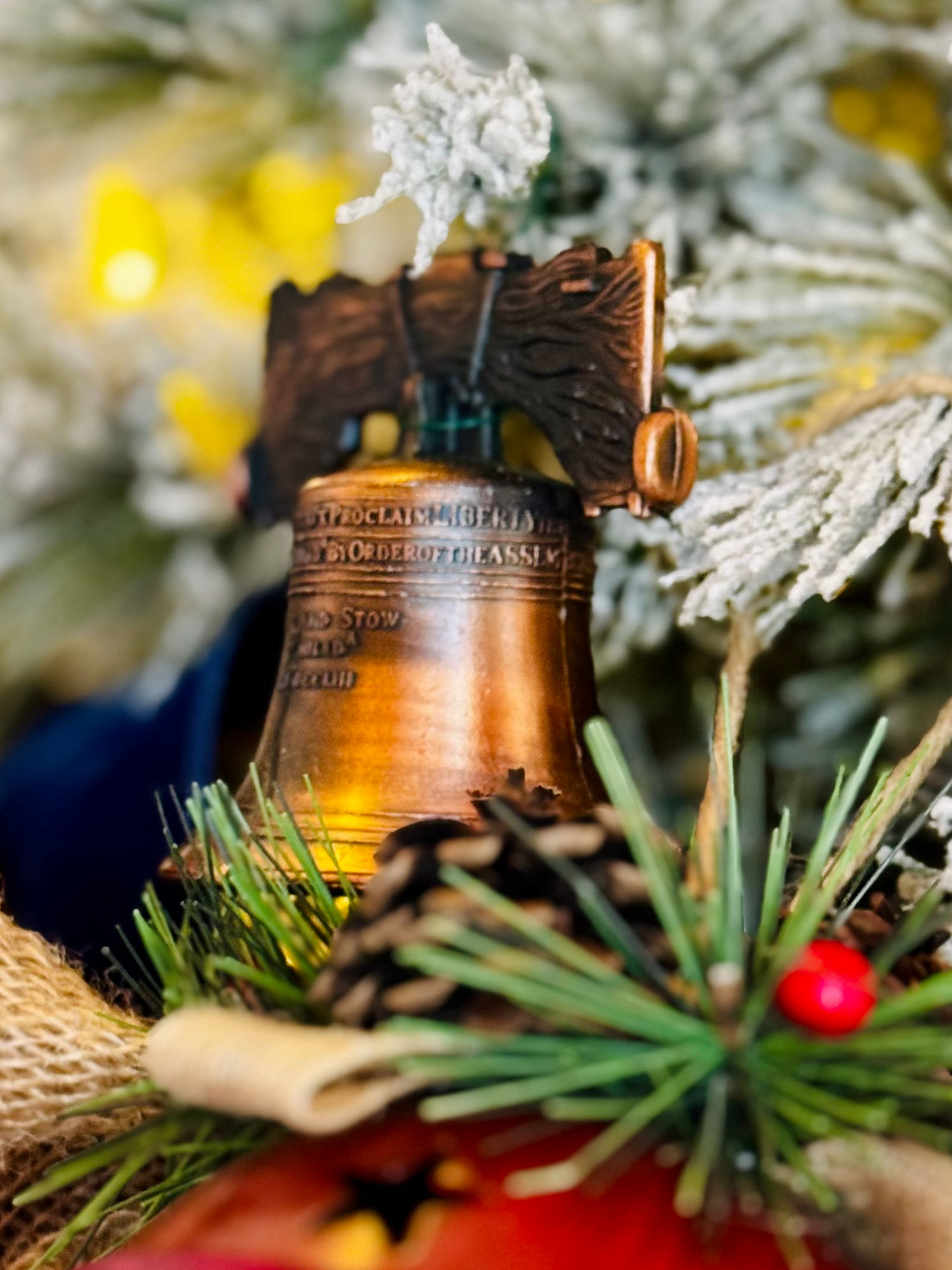
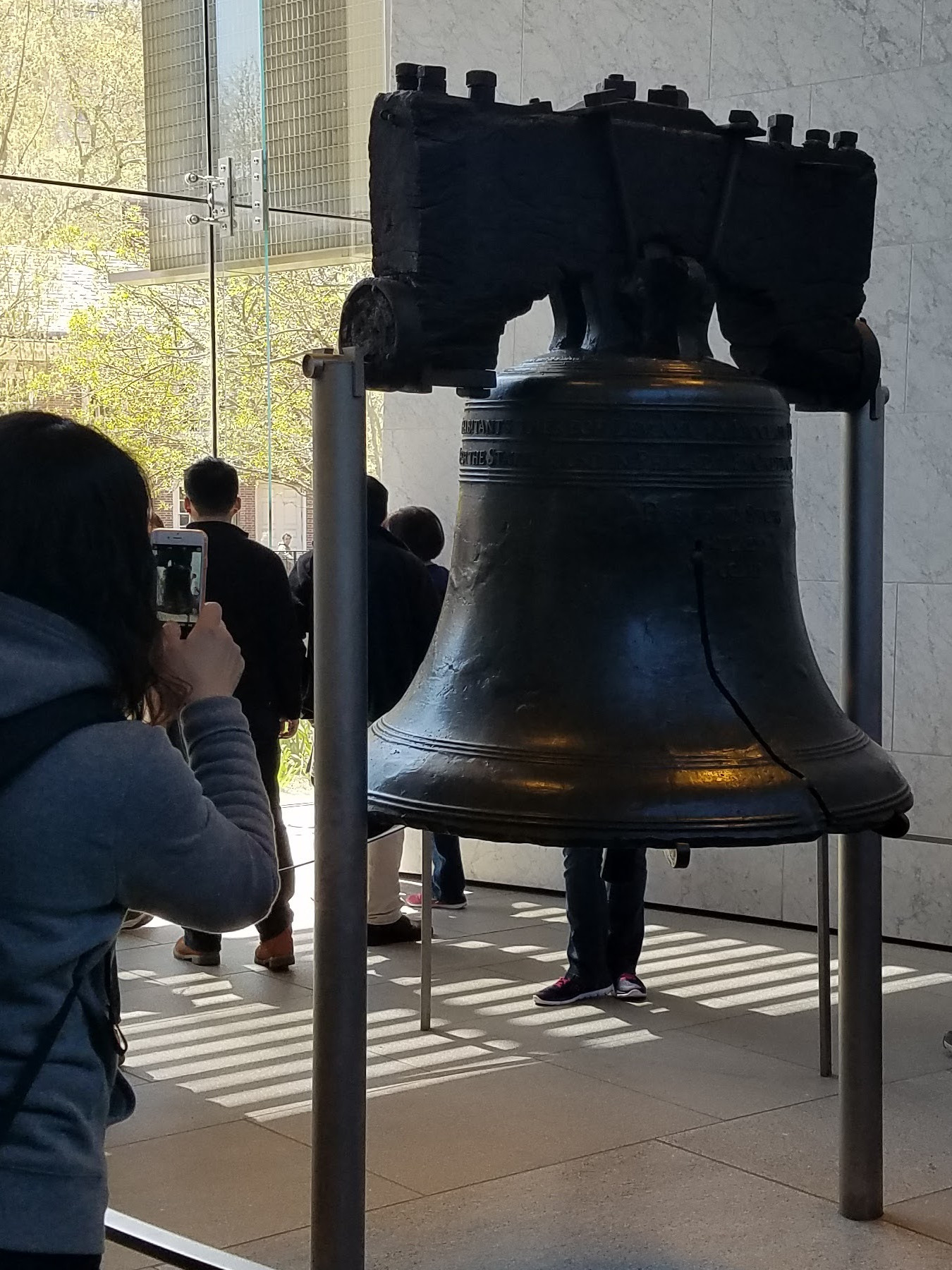
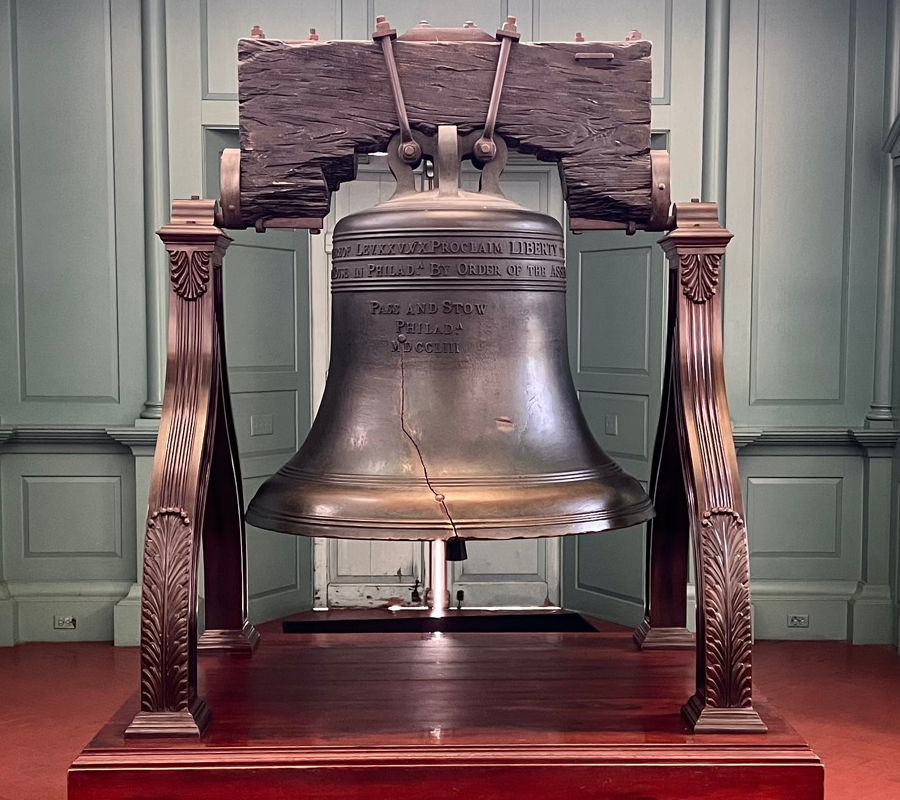
Liberty Bell
July 8, 1776
It was in the steeple of Independence Hall. It was used to alert citizens of public meetings and proclamations. The Declaration of Independence was first read to the public at noon July 8. (Also read at noon in Trenton New Jersey, and Easton Pennsylvania)
- [eatlife.net/liberty-bell.php]
RELATED:
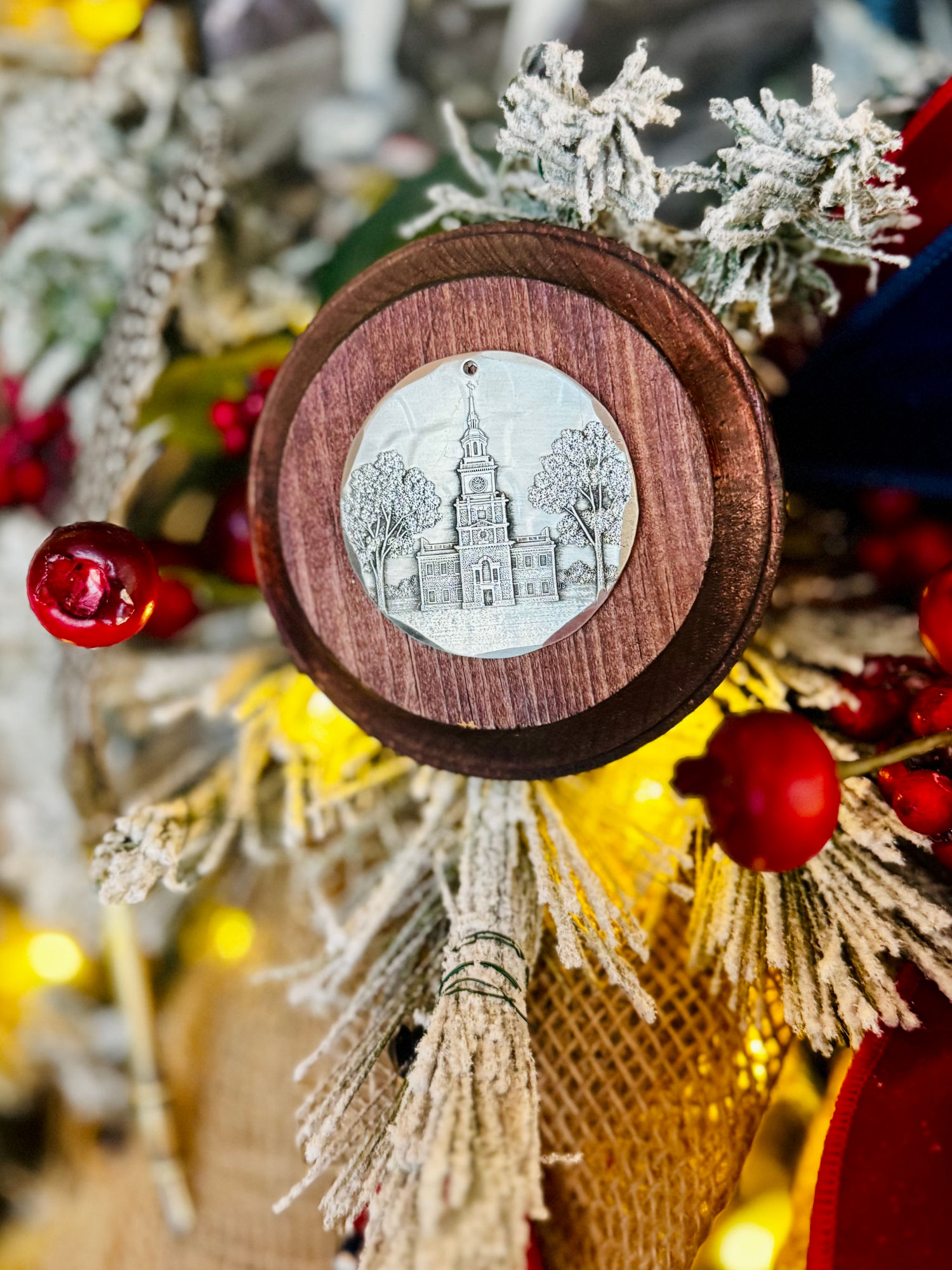
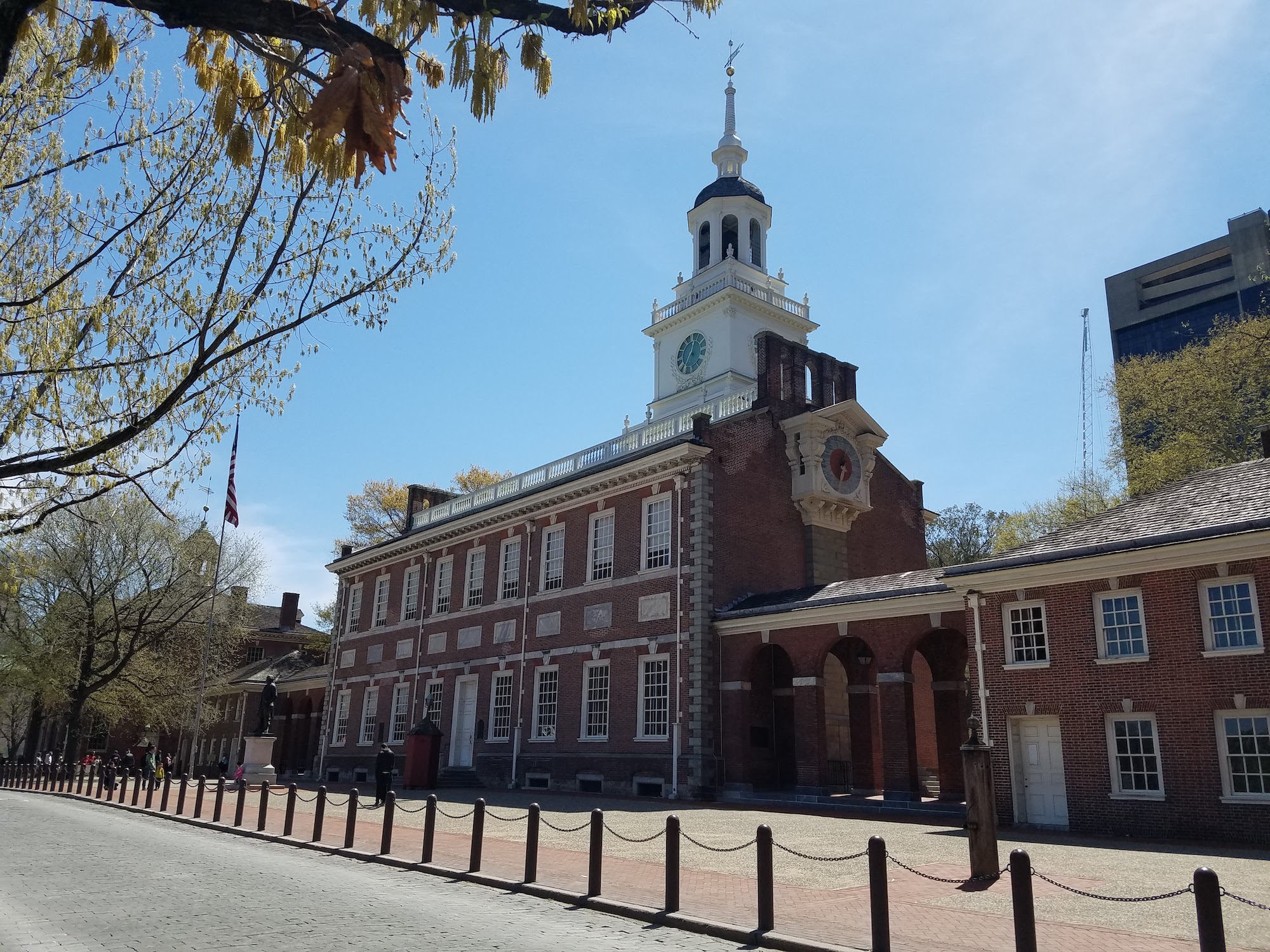
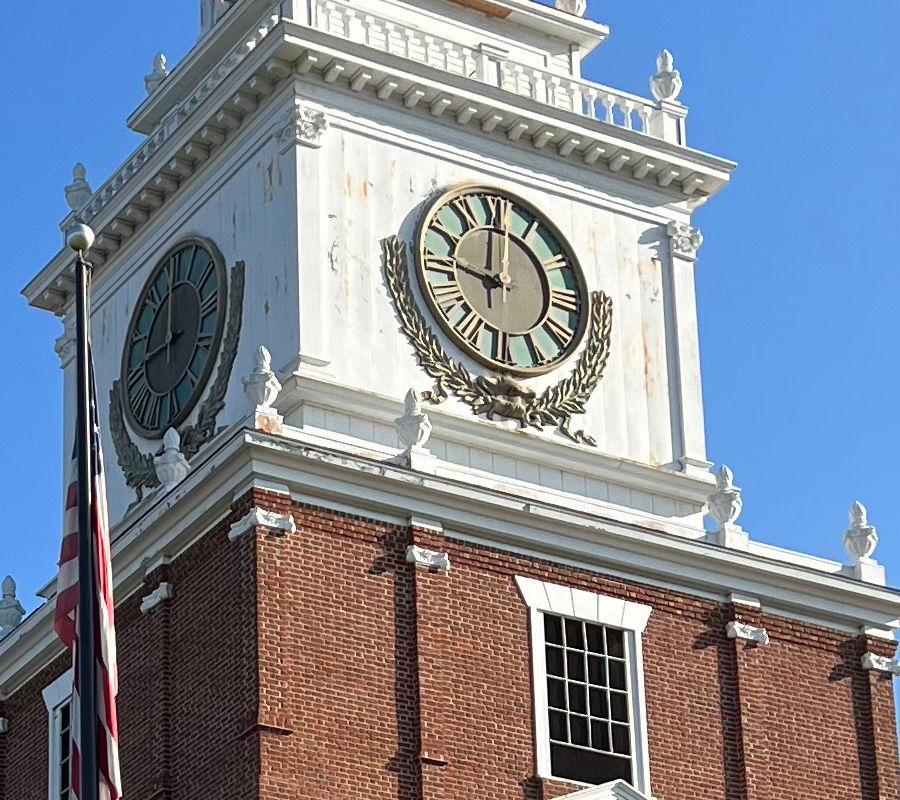
Independence Hall
August 2, 1776
The Declaration of Independence was officially adopted July 4th 1776. On August 2 Most of the delegates signed it at Independence Hall in Philadelphia
- [eatlife.net/independence-hall.php]
RELATED:

General Washington
January 3, 1777
Revolutionary War
Leading the Americans at the Battle of Princeton, New Jersey

Betsy Ross
June 14 1777
The first official US flag (13 stars, 13 stripes)
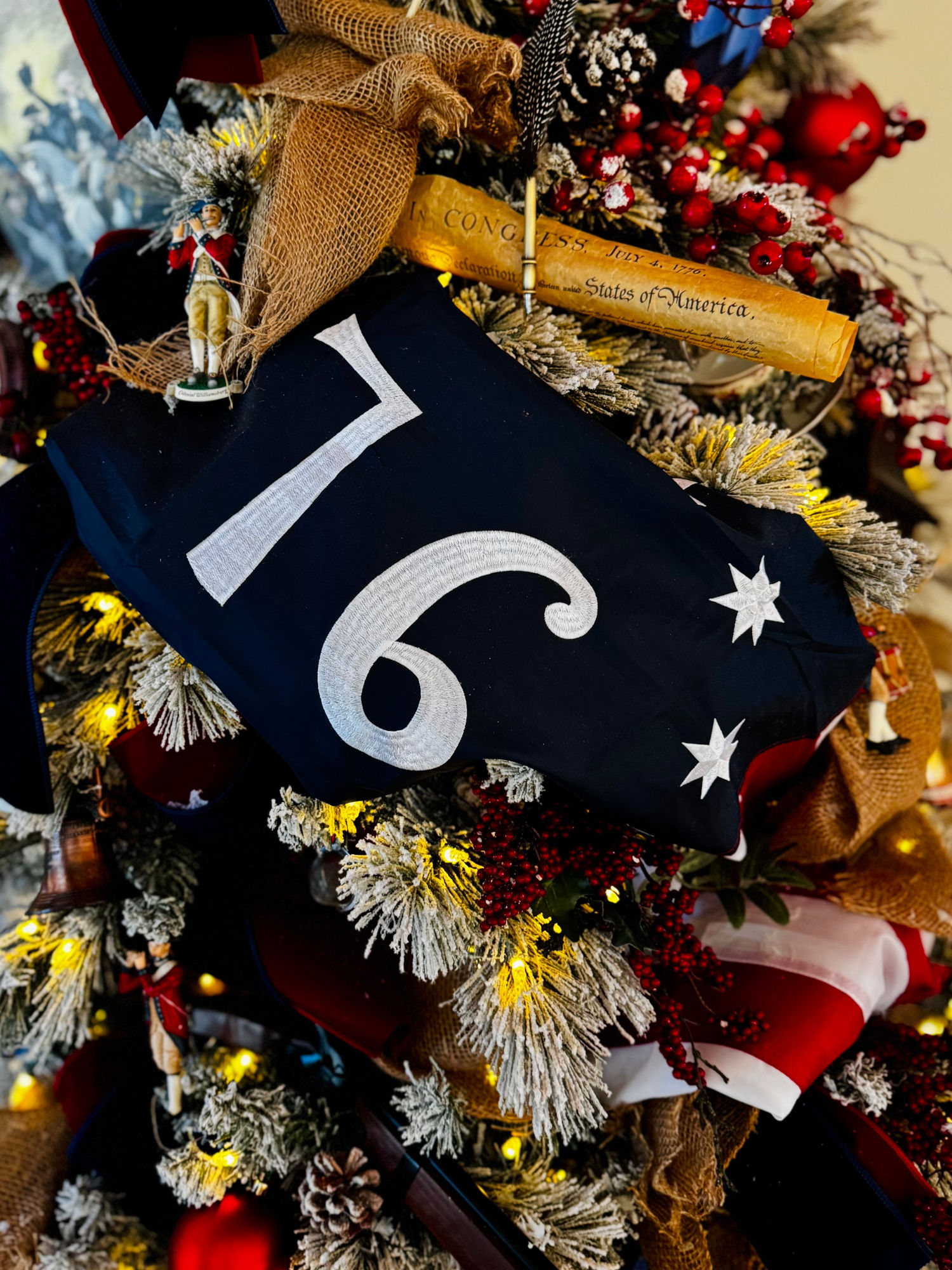
Bennington Flag
August 16, 1777
13 Stars (with seven points) and 13 Stripes (with white on the top and bottom)

Liberty Bell
September 11, 1777
Revolutionary War
Right before Philadelphia fell under British occupation, the Liberty Bell and other major bells were moved to Allentown and hidden, so that the British Army would not recast the bell into munitions.
- [eatlife.net/liberty-bell.php]
RELATED:

Valley Forge
December 19, 1777 to June 19, 1778
Revolutionary War
The British had taken over Philadelphia. Washington led his army a day's march away to Valley Forge, Pennsylvania to reorganizing, retrain, and then mount a counterattack against the British. 12,000 soldiers and 400 women and children built a huge city there: 1,500 log huts and two miles of fortifications. Over the cold and wet winter they had supply issues, malnutrition, and about 2,000 soldiers died from influenza and typhoid that spread through the camp.
- [amazon.com/dp/1501152726]
AMAZON:
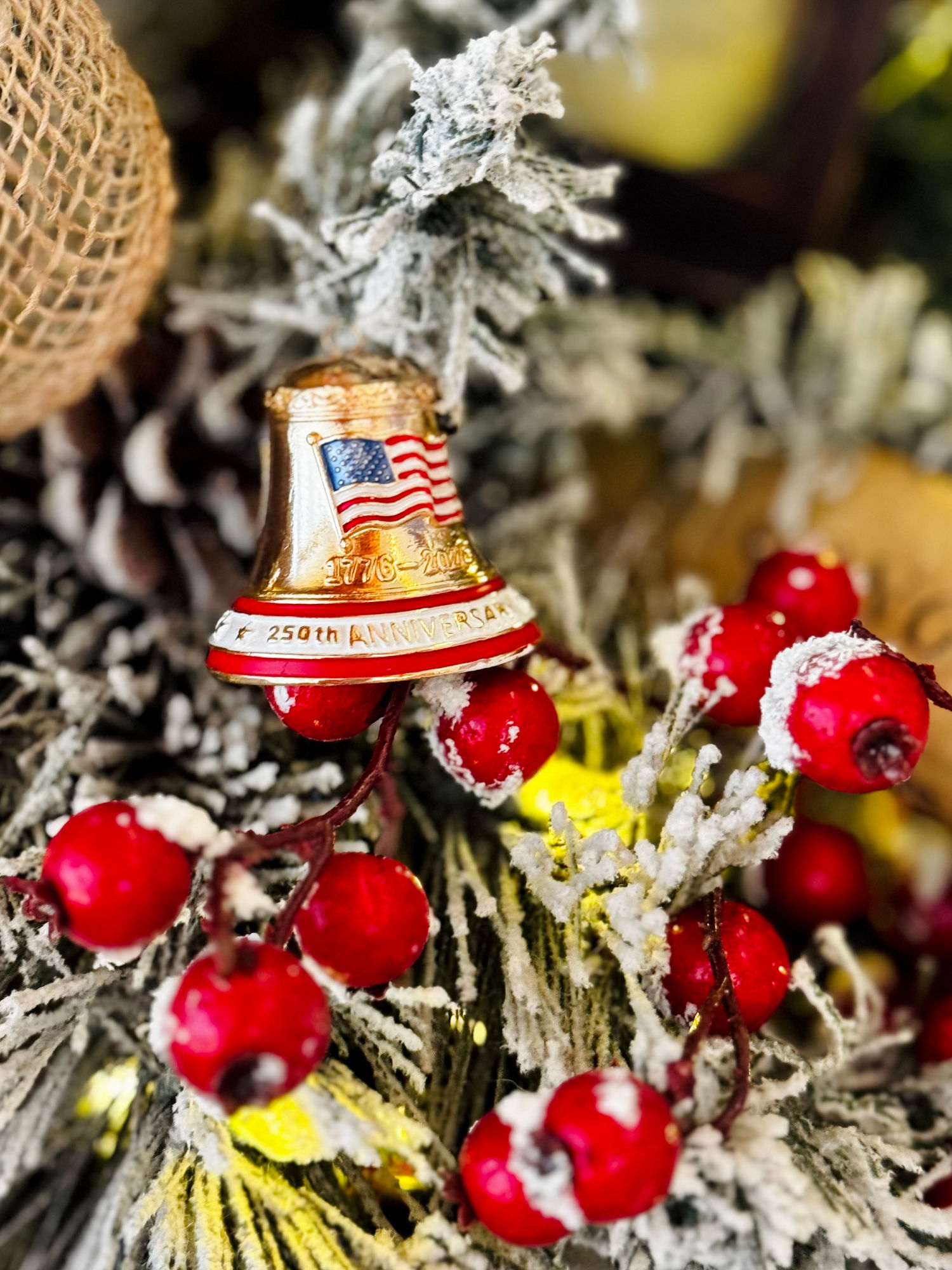
250th Anniversary Bell
RELATED