An American Christmas
25 Decades


USA
1790 to 1799
This decade opened with a new national capital in Philadelphia and the ratification of the Bill of Rights.
- In 1794, Congress established the first U.S. naval fleet.
- That same year, Eli Whitney patented his cotton gin.
Posted: December 2025
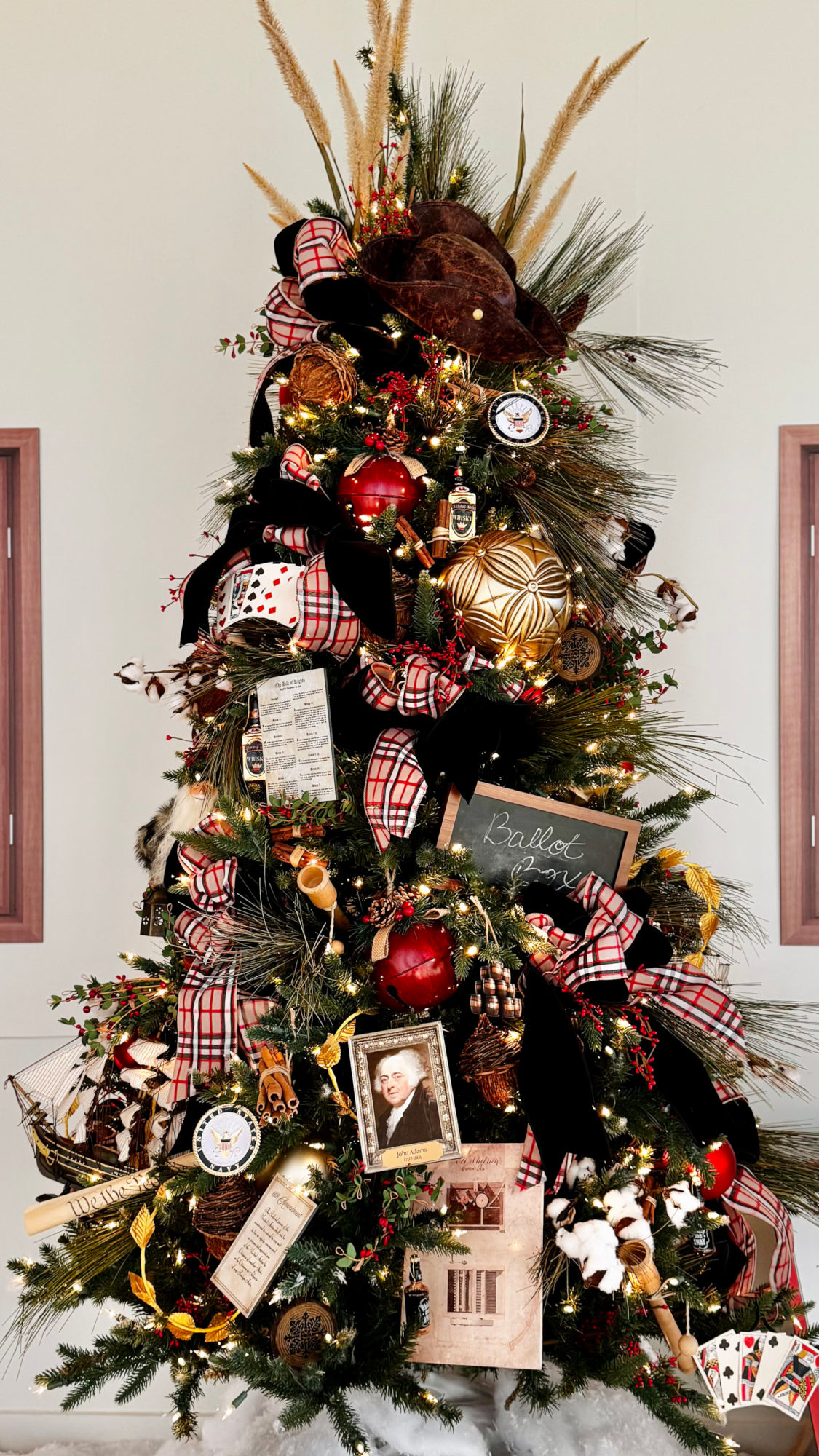
1790 to 1799
American Christmas Tree
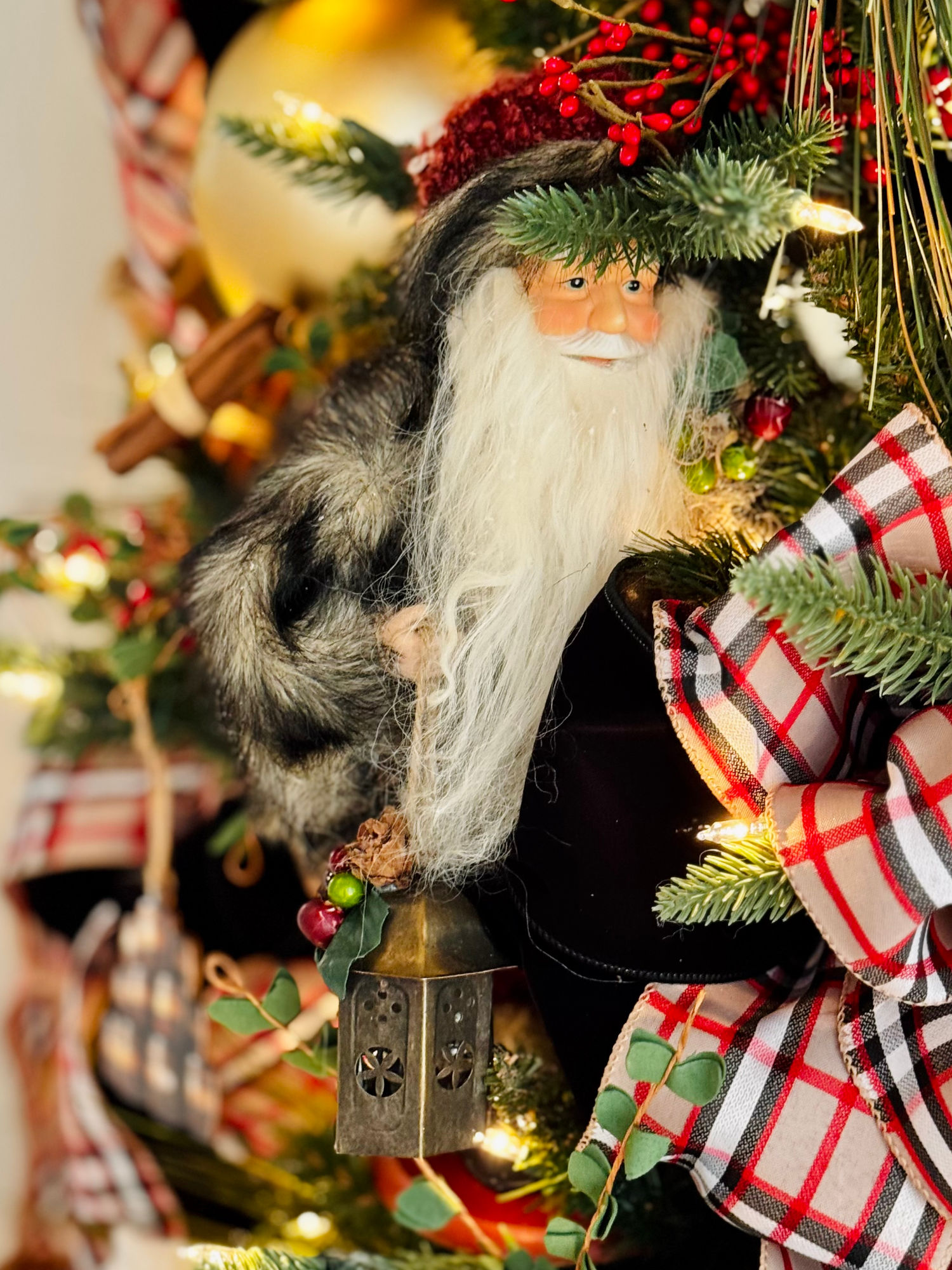
Santa Clause
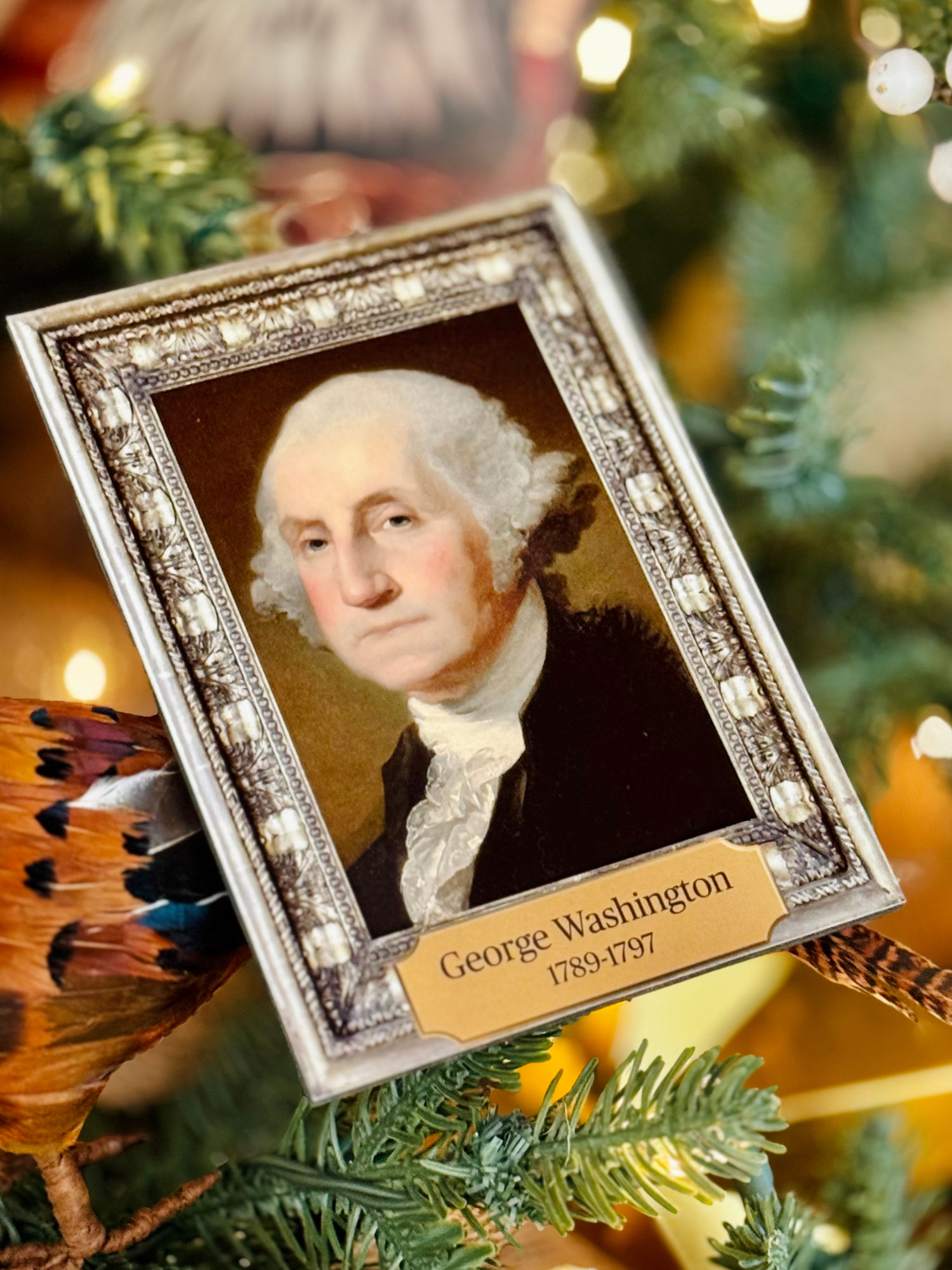
George Washington
President from 1789 to 1797
First U.S. President (No Political Party)
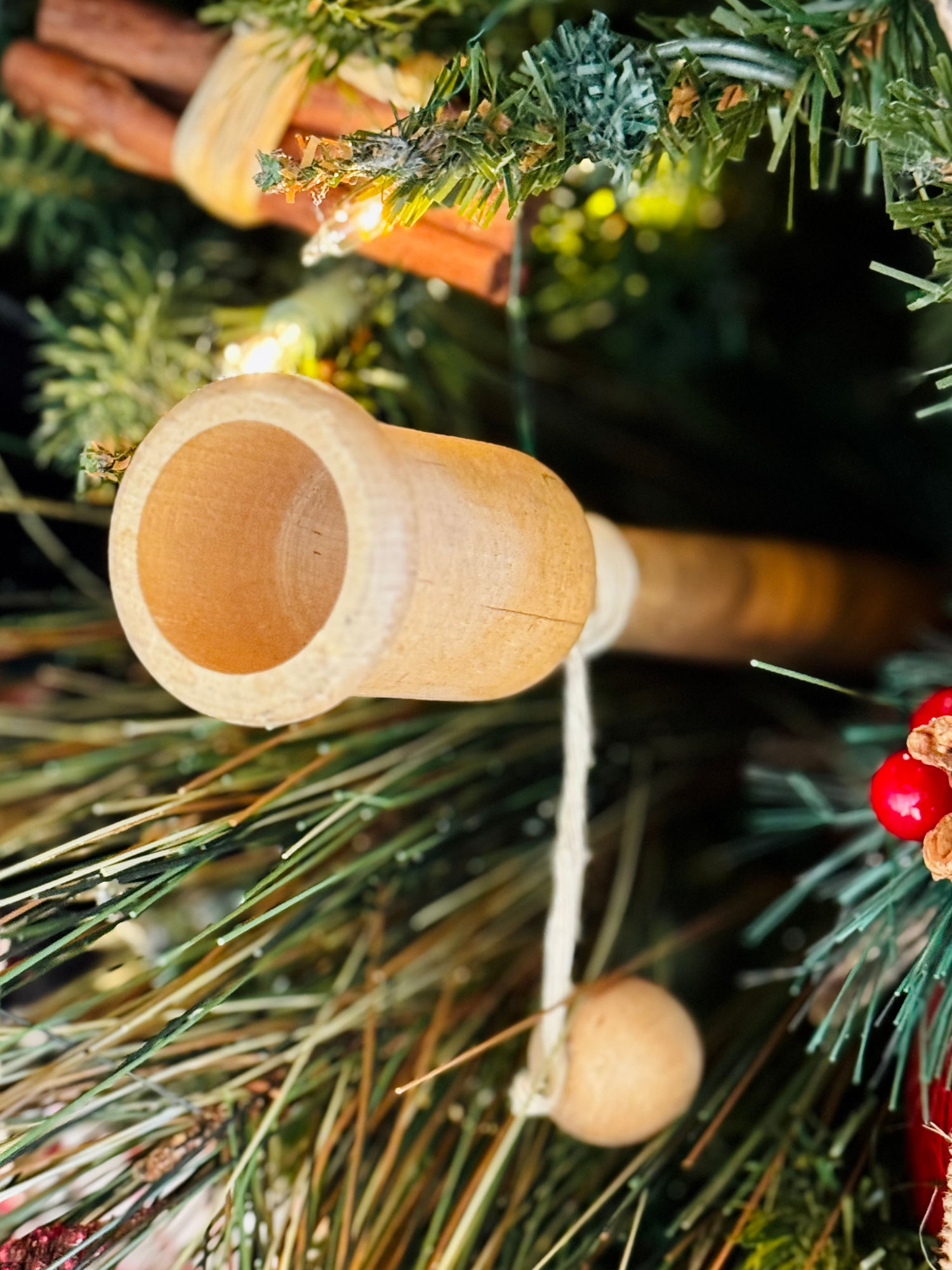
Cup and Ball
1790s
Swing the wooden ball into the cup
The origin of this wooden children's toy can be traced back to Ancient Greece and early India. This is a Cup and Ball type, there is another type where the handle is more of a pointy spike and the ball has a hole in it. In France these are called a Bilboquet, which is why they are sometimes called a Bilbo Catcher.
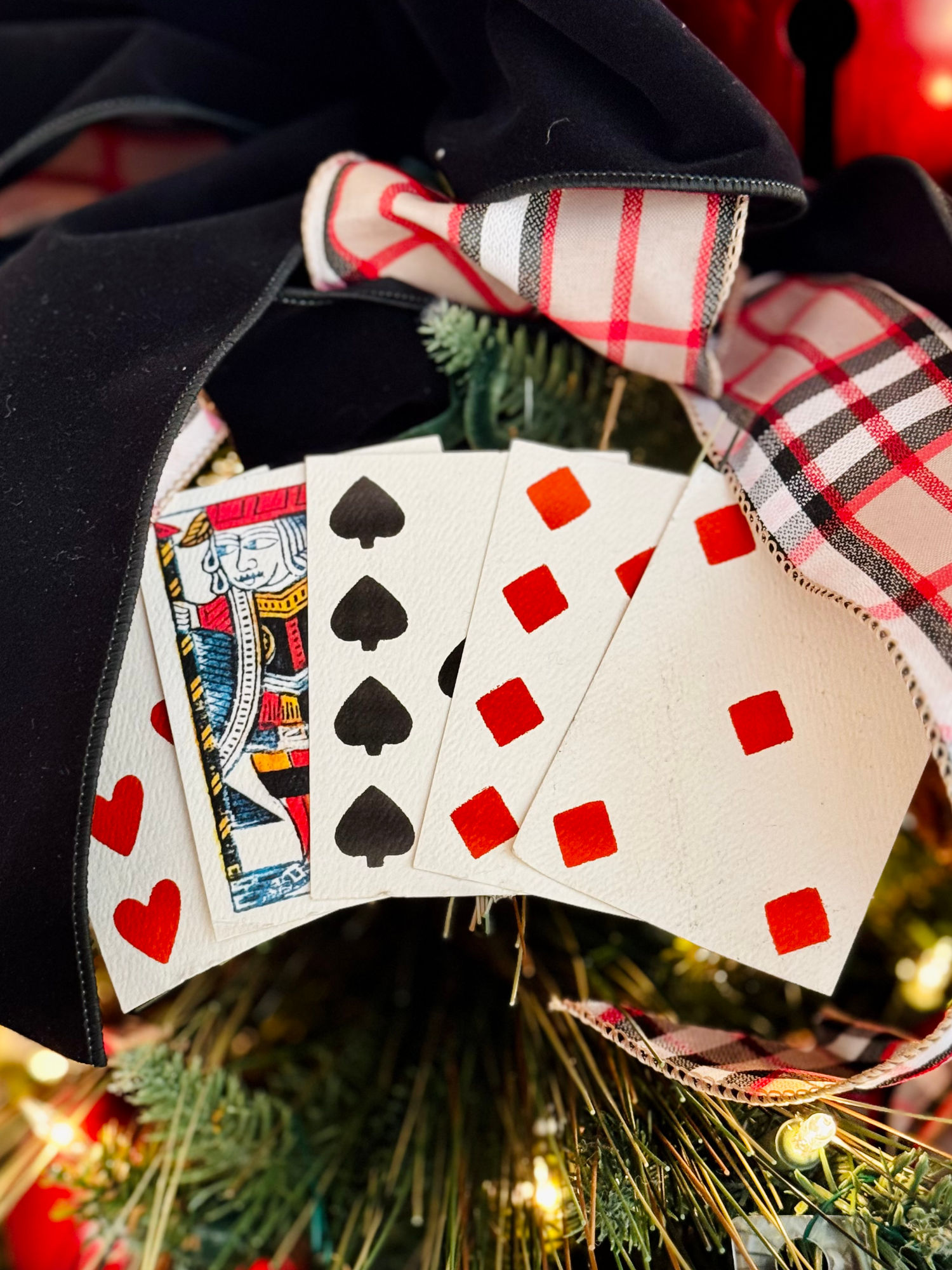
Whist
1790s
Four Players in Two Teams
It was thought of as an intellectual game and was played by soldiers in camps and civilians in taverns. Whist is the grandfather of Bridge, Spades, and Hearts which came about 100 years later.
- Cards didn't have numbers or letters back then, but were the same 52 cards.
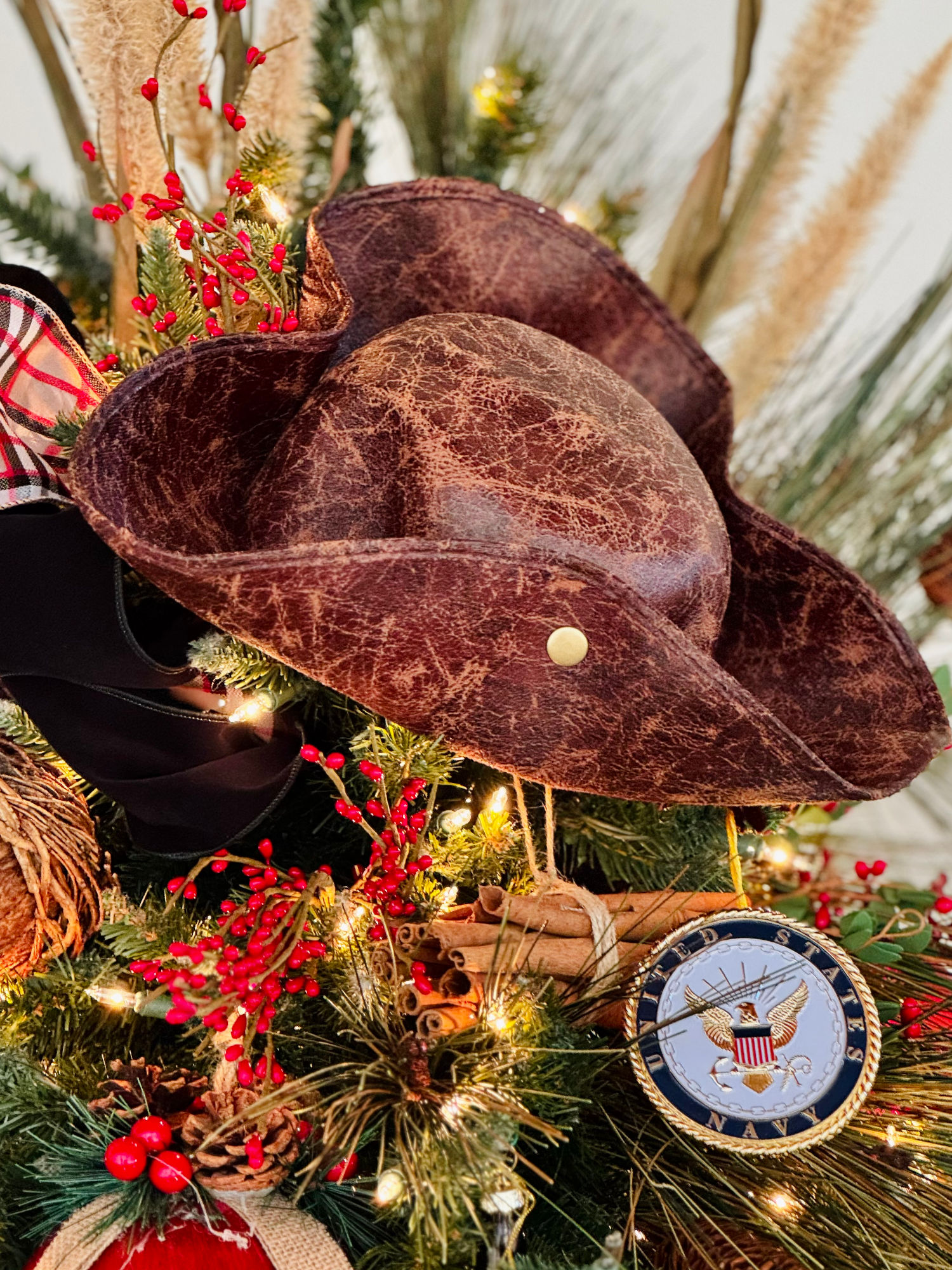
Tricorn Hat
1790s
Cocked Hat
Three sides of the brim were cocked up to form a triangle. This style let people show off their wigs underneath which would show their social status.
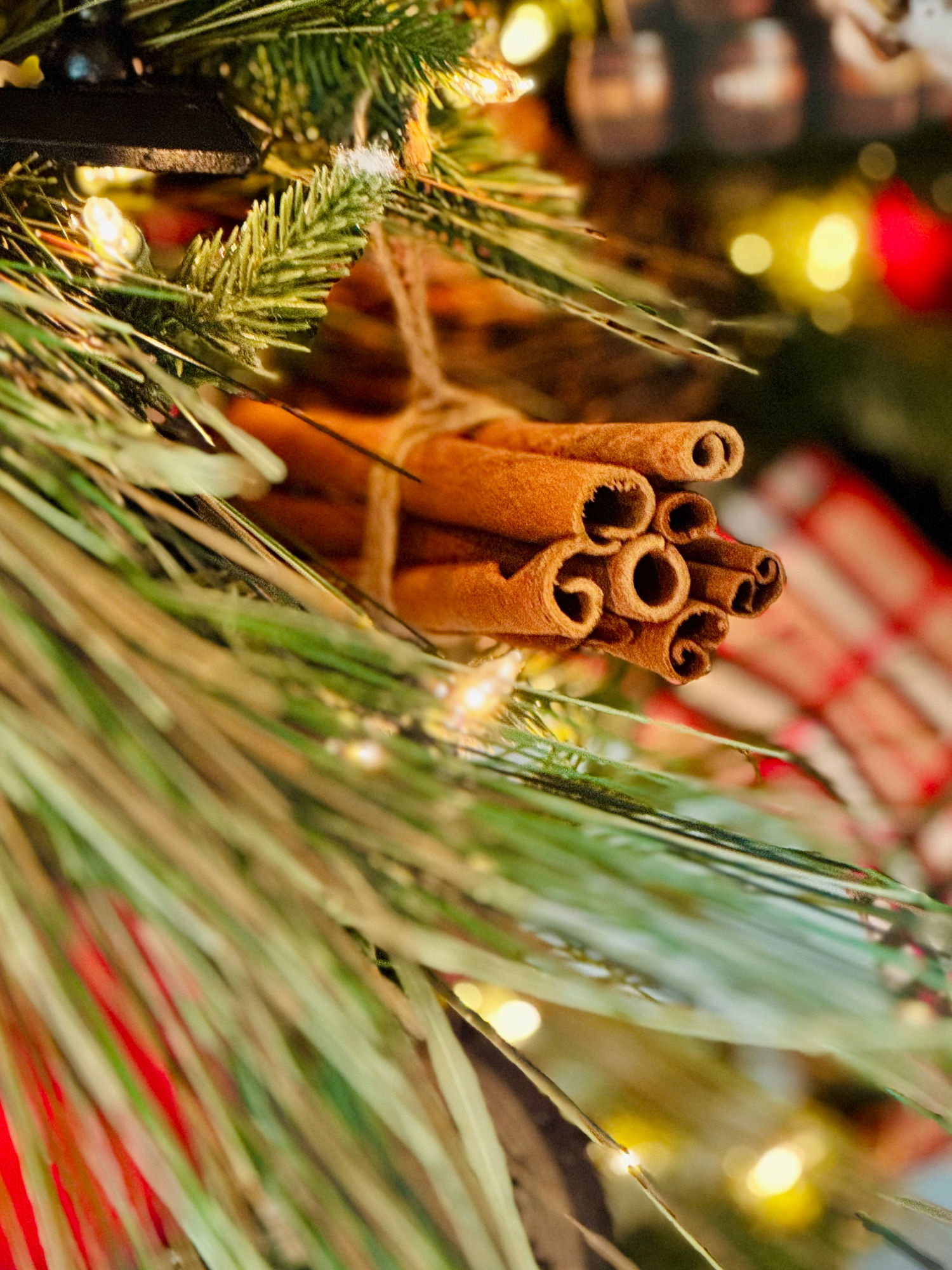
Cinnamon
April 23, 1790
Act Laying Duties on Imports
Alexander Hamilton proposed that taxing imported goods would make them more expensive, which would force Americans to buy more homemade products. This would also raise raise revenue for the federal debt.
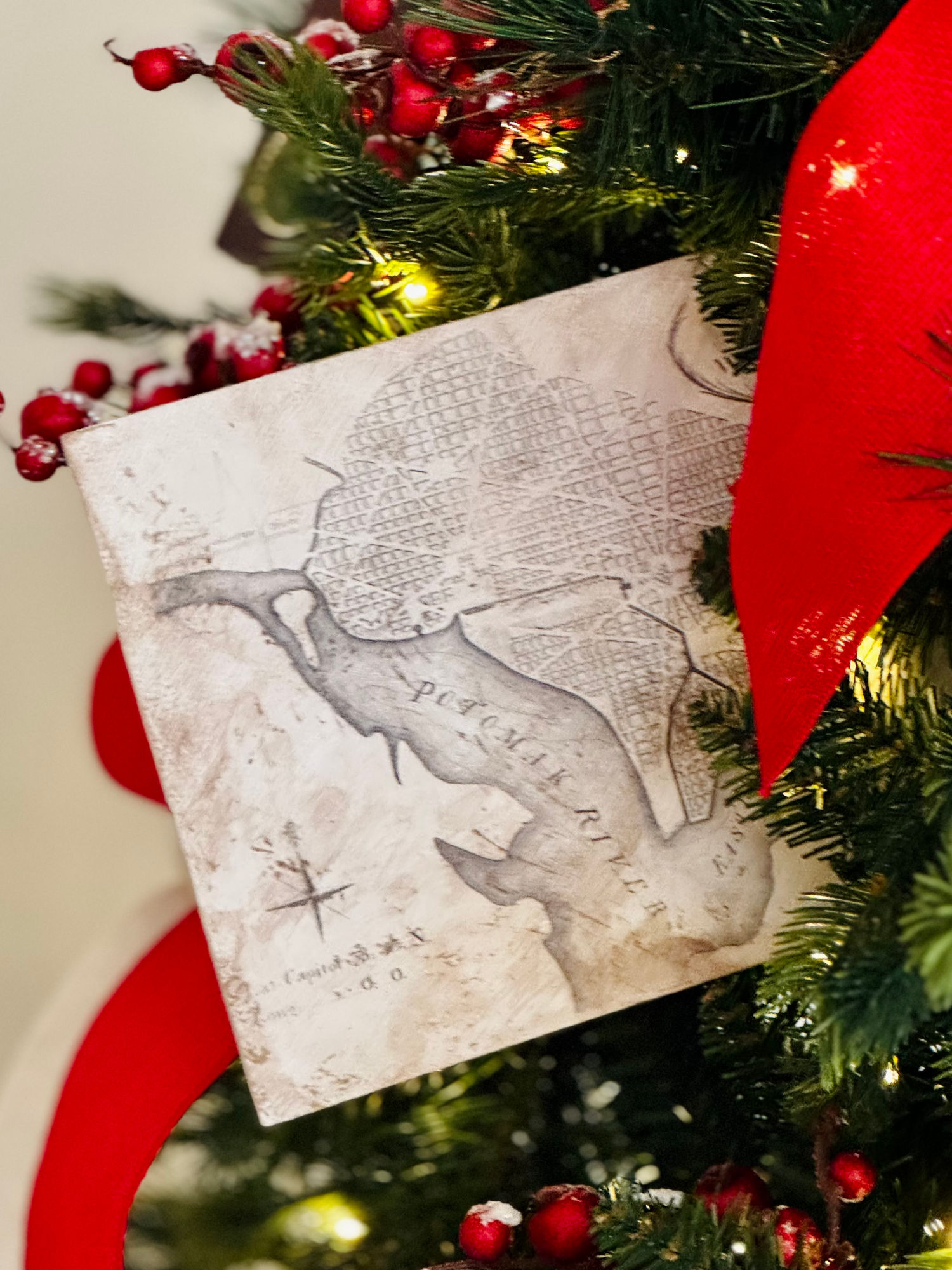
Washington DC Map
July 16, 1790
The Constitution laid out that the Capital be a federal district under exclusive jurisdiction of the U.S. Congress instead of being a state. The Residence Act approved the creation of this district along the Potomac River.
Plan of the city of Washington
President George Washington commissioned Pierre Charles L'Enfant in 1791 to design the new capital.
First Midterm Election
1790 to 1791
To determined the members of the 2nd United States Congress. This was in the middle of George Washington's First Term as President. The States each had different days to cast your vote towards the end of 1790 and the beginning of 1791.
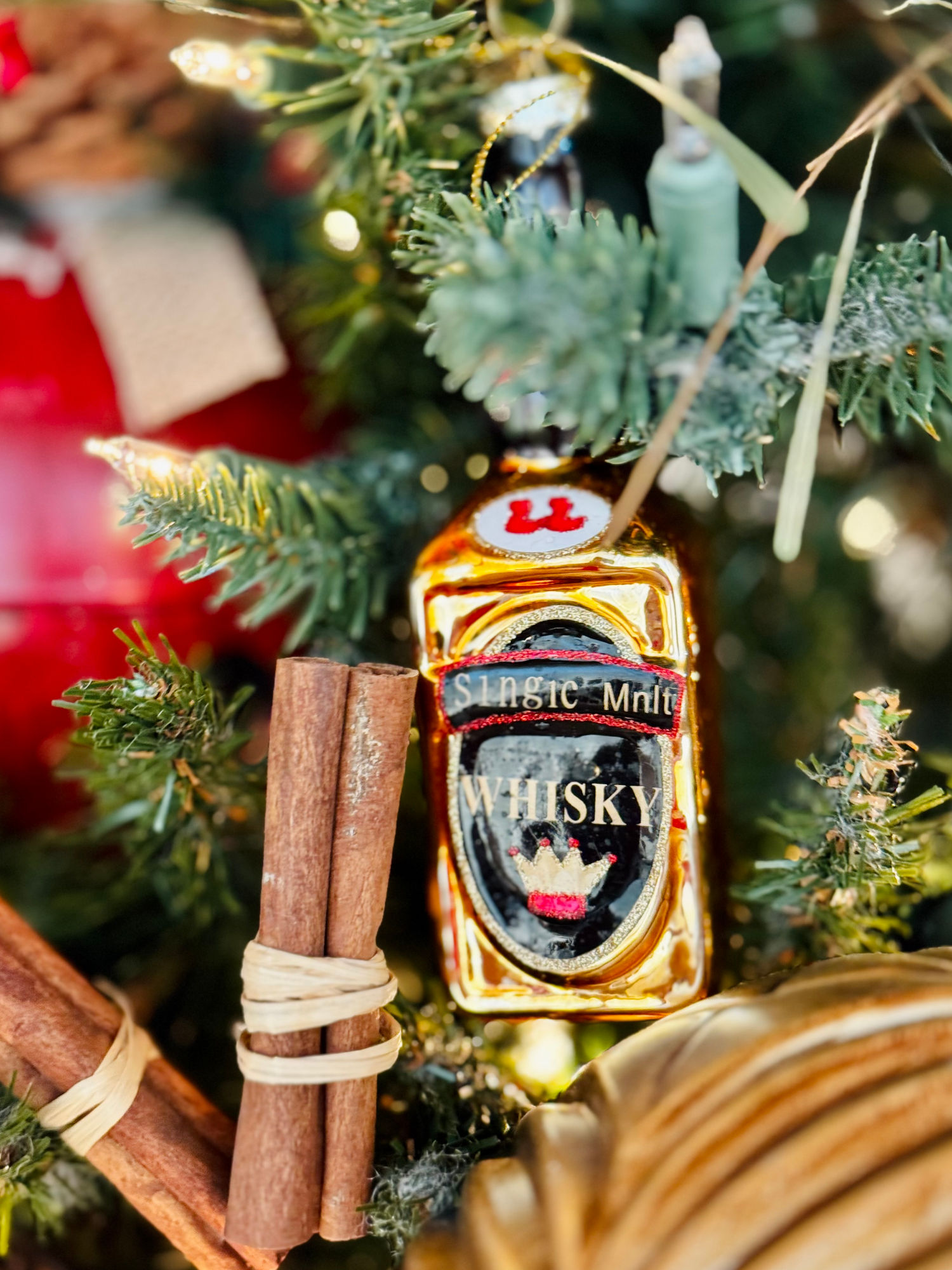
Whiskey Tax
March 3, 1791
Signed by President George Washington
The Whiskey Tax became law in 1791 and was the first time the government taxed a domestic product. The tax was to raise money to pay the debt that was built up from the Revolutionary War. The farmers who made whiskey resisted the tax.

Whiskey me Away
1791
The Western Frontier
Small farmers in Pennsylvania distilled their surplus grain into whiskey
- Rye
- Barley
- Wheat
- Corn
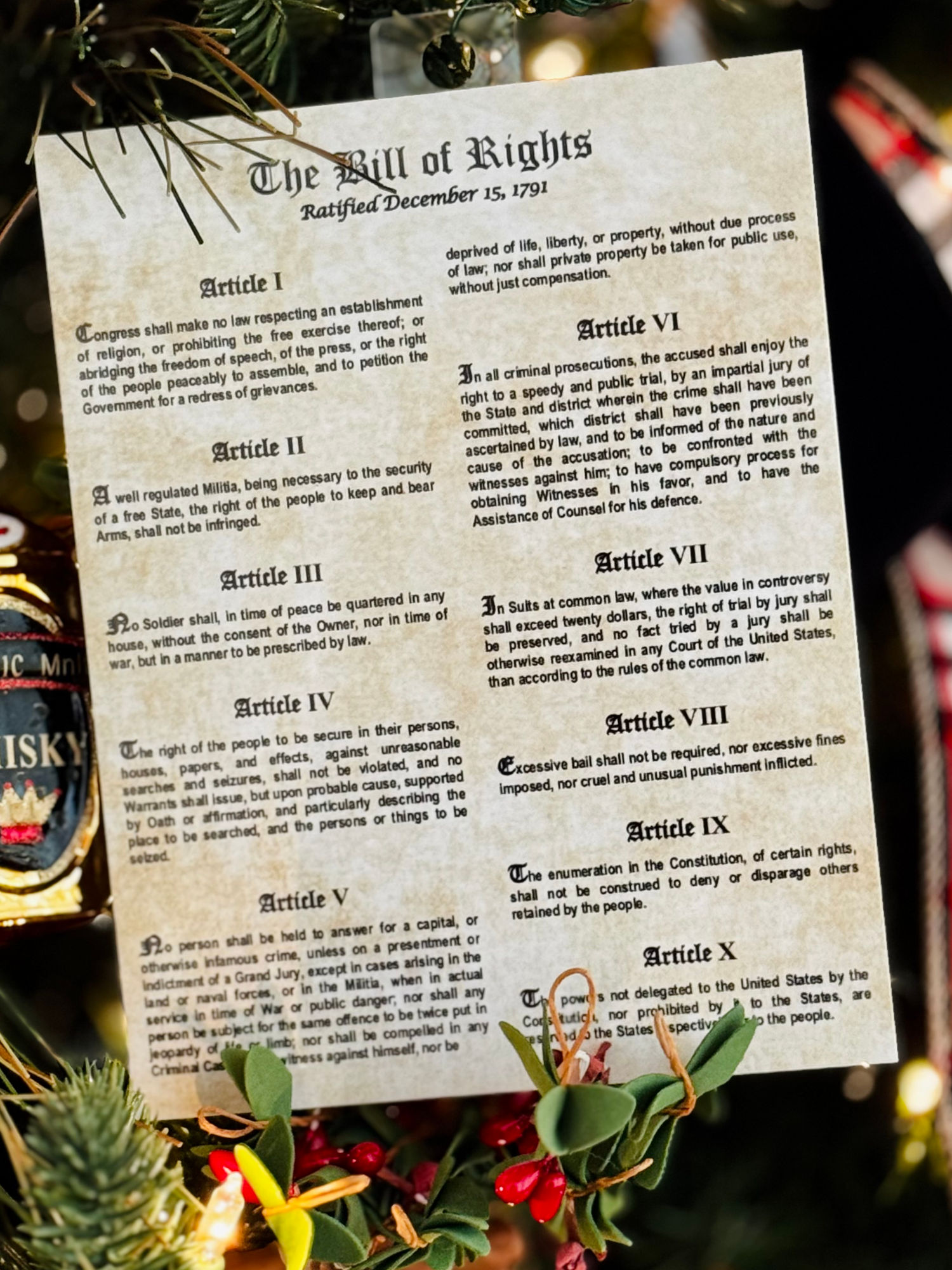
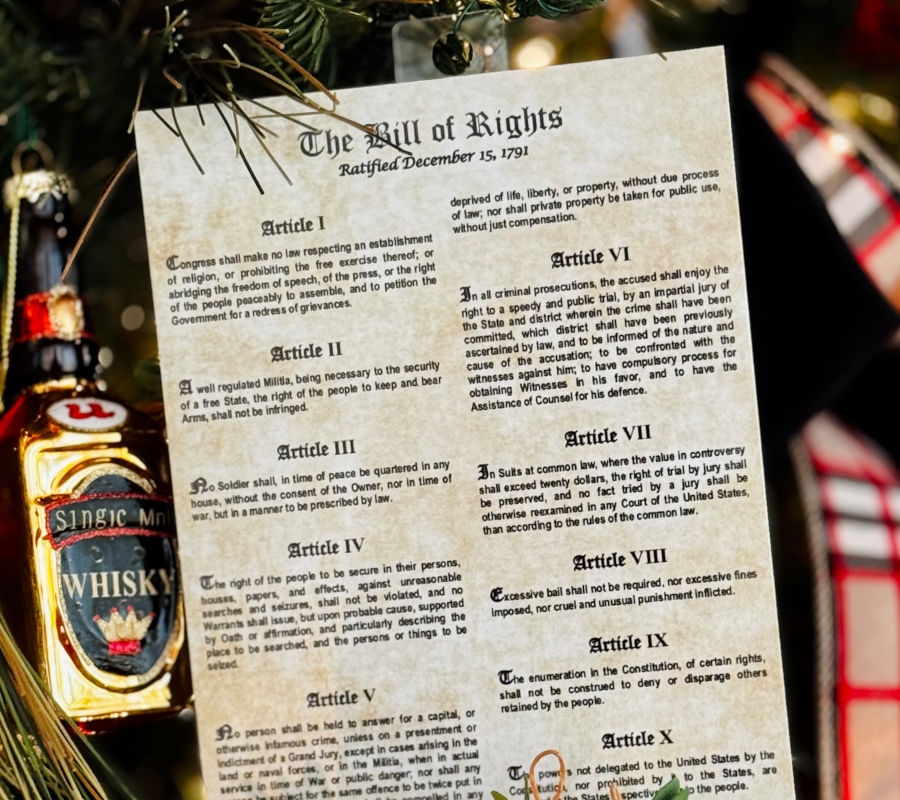
The Bill of Rights
December 15, 1791
The first 10 Amendments to the Constitution
- First Amendment Freedom: Religion, Speech, Press, to Assemble, to Protest
- Second Amendment The right to own guns incase you need to fight the government
- Third Amendment Soldiers can not just take over your home
- Fourth Amendment The government can't just randomly search you or take over your property
- Fifth Amendment Accusations: no self-incrimination (right to remain silent), can't be tried twice for same thing, can't go to prison without due process of law, gov must compensate if taking from you (eminent domain), serious crimes require a grand jury to validate the accusation before trial
- Sixth Amendment Trial stuff: speedy, public, impartial jury, allowed witnesses, allowed a lawyer
- Seventh Amendment If you are sued you have a right to a jury instead of a judge
- Eighth Amendment The punishment must fit the crime: Prevents judge from over doing it on bail, fines, penalties, punishments.
- Ninth Amendment For the people: the Constitution only lists some rights, all the stuff not listed still might be a right.
- Tenth Amendment For the government: the Constitution lists every specific power, if not specifically listed then it is up to the people or the states.
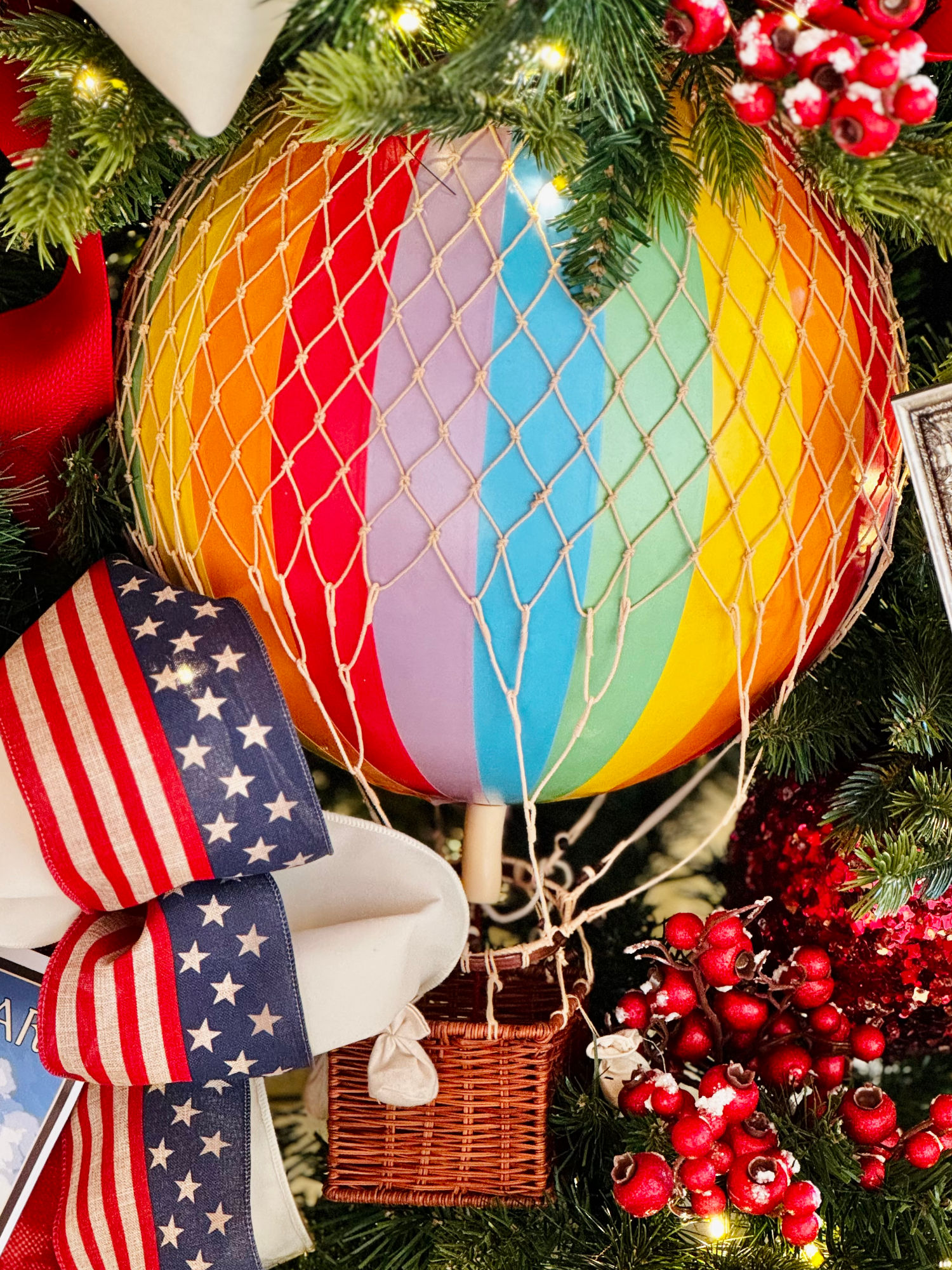
Hot Air Balloon
January 9, 1793
The first untethered manned balloon flight in the United Sates
Jean-Pierre Blanchard lifted off from the yard of Philadelphia's Walnut Street Prison. President Washington was in the crowd. Blanchard landed across the Delaware River into Deptford, New Jersey (15 miles away) 45 minutes later.
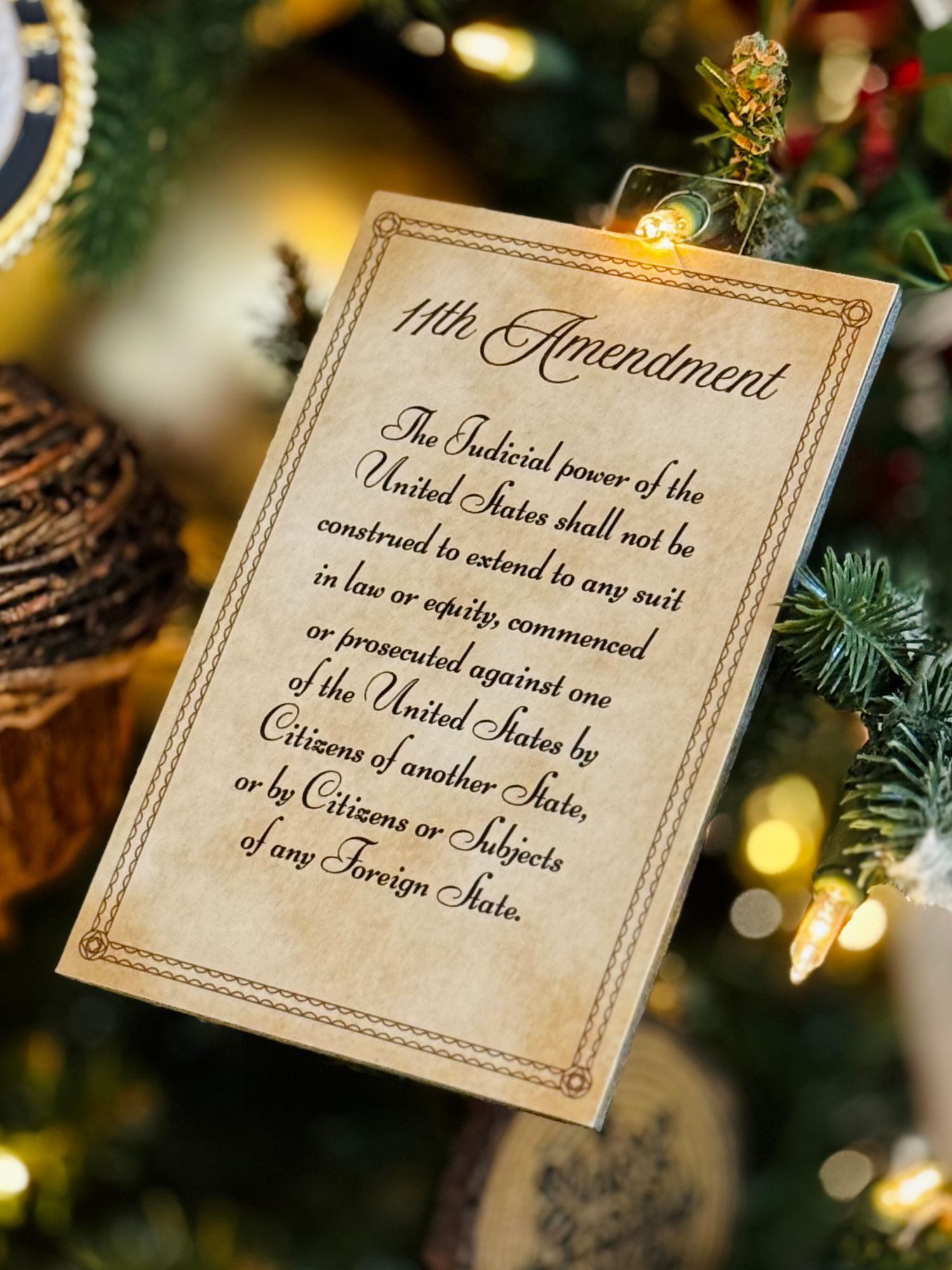
11th Amendment
March 4, 1794
Constitution of the United States
The Judicial power of the United States shall not be construed to extend to any suit in law or equity, commenced or prosecuted against one of the United States by Citizens of another State, or by Citizens or Subjects of any Foreign State.
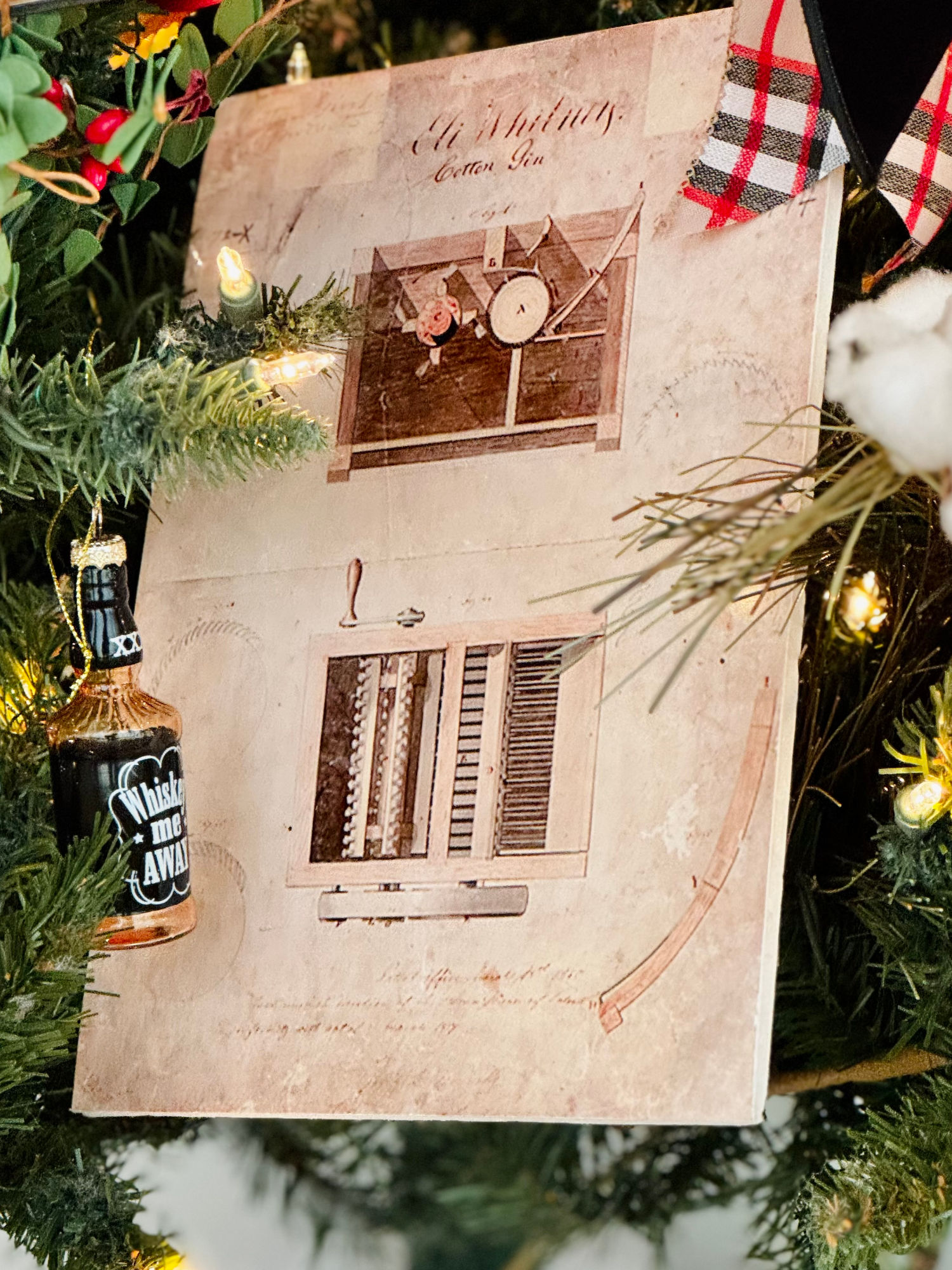
Cotton Gin Patent
March 14, 1794
Eli Whitney
Invented a mechanical cotton gin that separated cotton fibers from their seeds by using small wire hooks to pull the cotton through a wire screen. Before this it was done by hand and was very time consuming. This made cotton so profitable that they planted more and more of it. This dramatically increased the number of slaves needed to pick all the cotton.
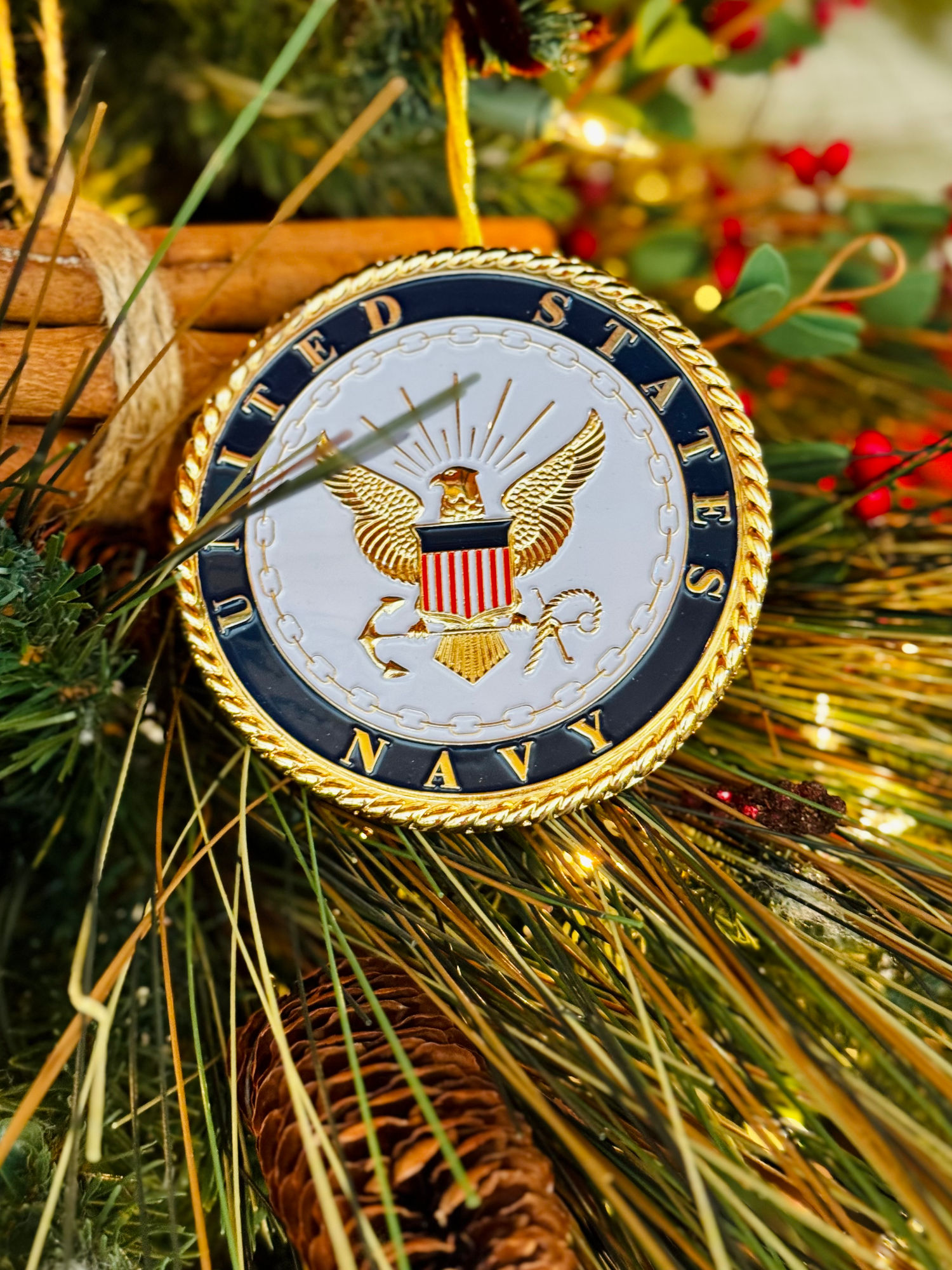
Naval Act of 1794
March 27, 1794
Created a permanent standing U.S. Navy
Mainly to combat the pirates along the North African Coast who threaten American merchant shipping in the Mediterranean Sea.
Whiskey Rebellion
July 1794
The Whiskey Insurrection
The unpopular tax on whiskey situation escalated in Philadelphia when 400 rebels set fire to a tax supervisor's home. George Washington responded by personally leading an army of 13,000 militiamen. The rebels fled and the government won. This event contributed to the forming of political parties. The whiskey tax was repealed in 1802 under Jefferson.
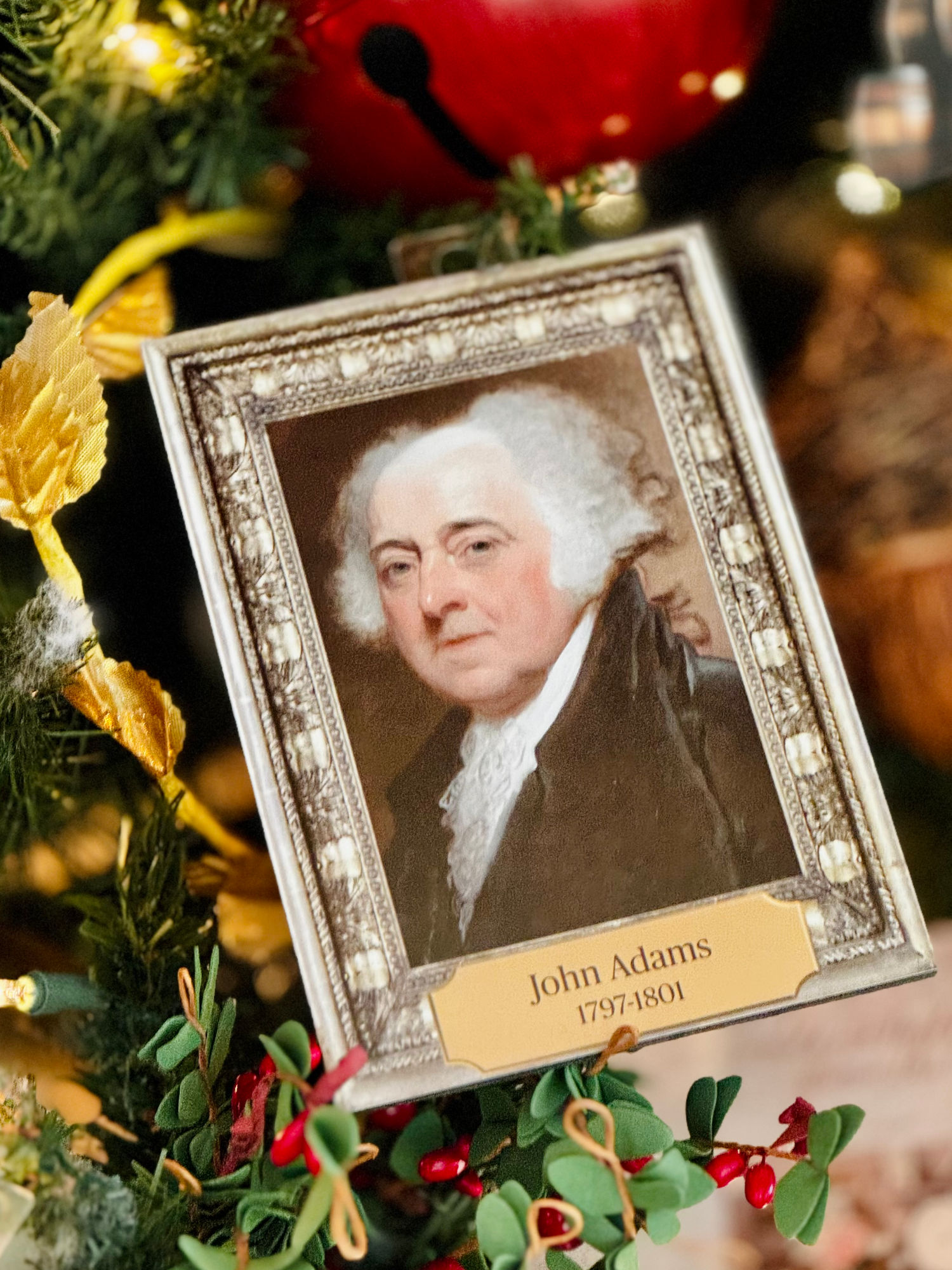
John Adams
President from 1797 to 1801
Second U.S. President (Federalist Party)
He was also the first Vice President under Washington (for two terms from 1789 to 1797). He lost his bid for reelection to his Vice President Thomas Jefferson (Jeffersonian Republican Party)
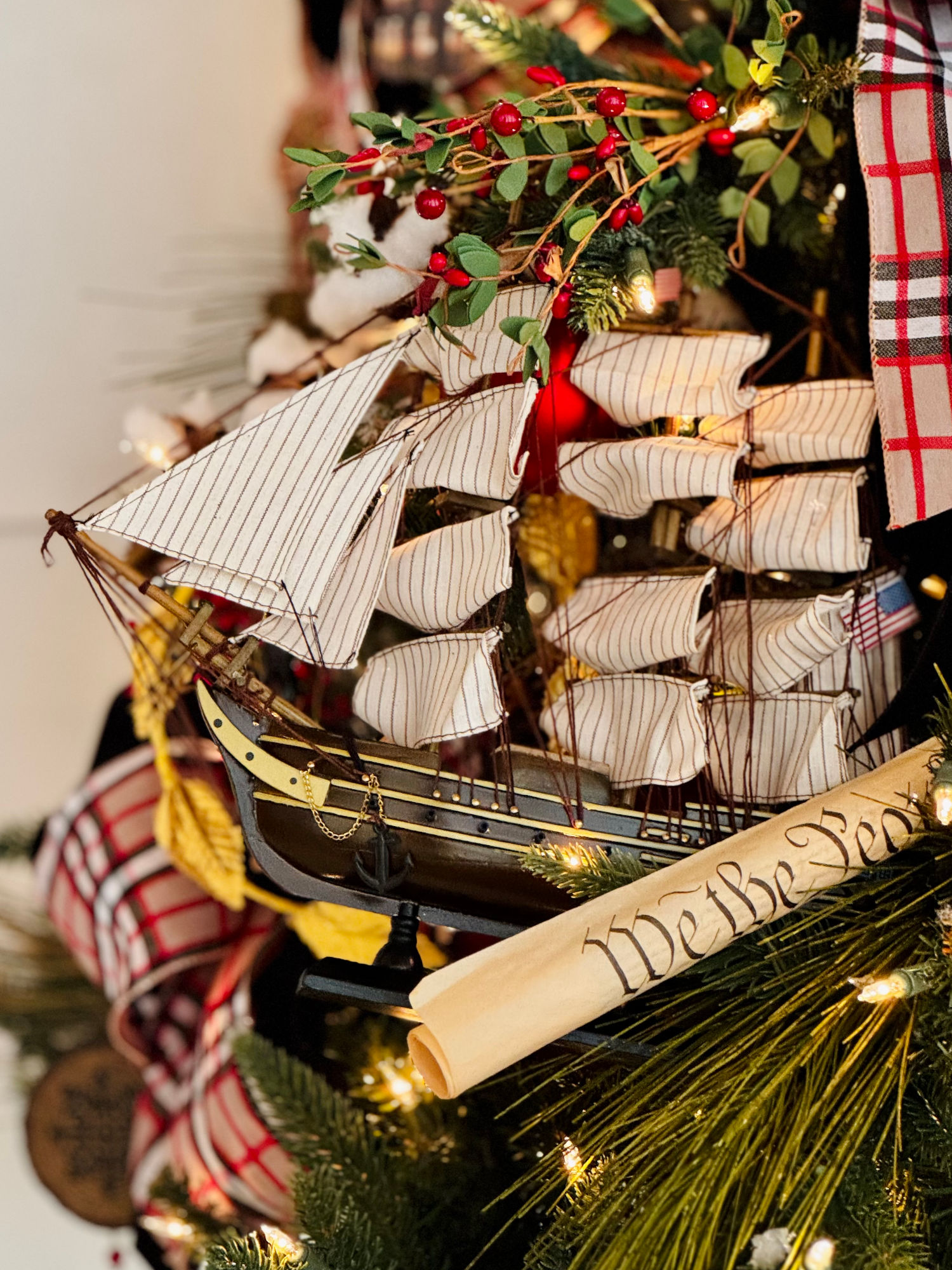
USS Constitution
October 21, 1797
Old Ironsides
One of the six original Navy frigates authorized for construction by the Naval Act of 1794. Third one constructed. Most noted for her actions during the War of 1812 with the United Kingdom. Now a fully commissioned Navy museum ship open to visitors year round in Boston Harbor. The world's oldest commissioned warship still afloat.

George Washington
December 14, 1799
George Washington dies at 67
He died at his Mount Vernon home, surrounded by his wife Martha and others, from a swollen sore throat. His last words were "Tis Well."
- The Lansdowne Portrait by Gilbert Stuart. Depicts 64 year old George Washington in his final year as President.